(+62) 81927650130
8:00 AM - 4:00 PM
Monday to Friday

Archive: March 15, 2024

Provide public access to museums, exhibition spaces or galleries, or works of art and artefacts

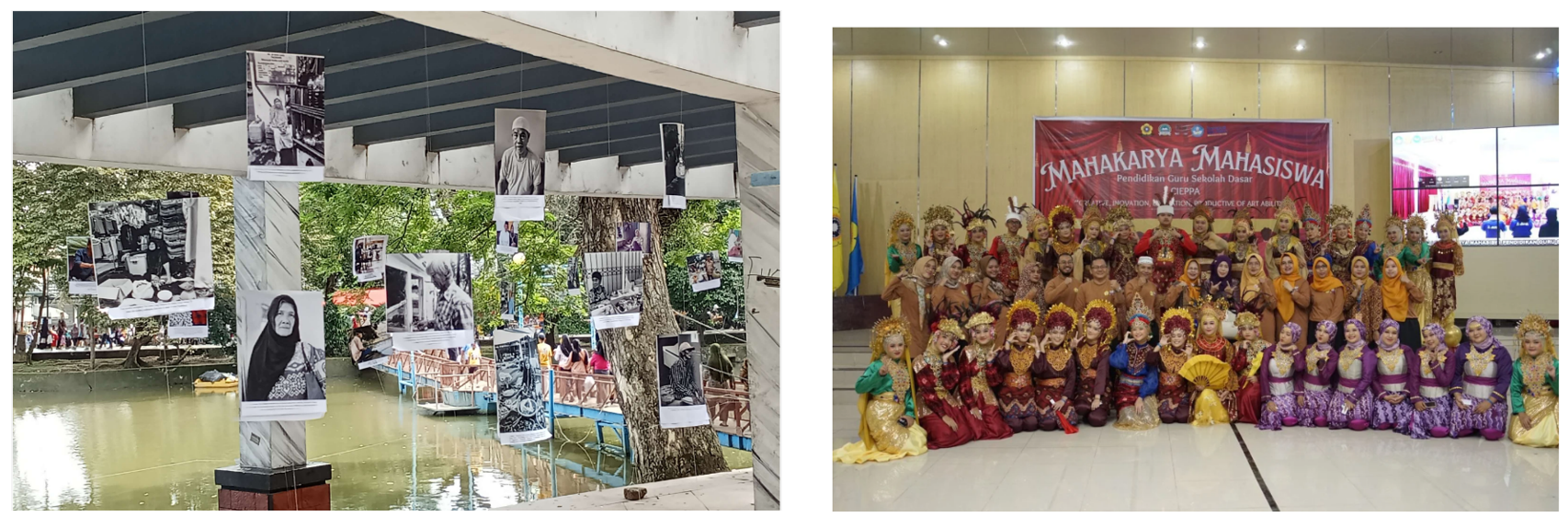
Universitas Sriwijaya facilitates public access to arts and cultural works through various student-led exhibitions and performances. A key example is the “Oldies but Goldies” photography exhibition, organized by Communication Science students (FISIP UNSRI) on June 2, 2024, to commemorate National Elderly Day. This event was held at the public Kambang Iwak Park in Palembang, ensuring open access. It featured photographs created by students that depicted the spirit and contributions of the elderly.

Additionally, the “Mahakarya” event, run by the Primary School Teacher Education program (PGSD FKIP), functions as an appreciation of student work. It features a public exhibition and art performances derived from courses like Fine Arts Education, Vocal and Music Arts Education, and Dance Arts Education. This event, themed “CIEPPA” (Creative, Innovation, Education, Productive of Art Ability), transforms academic outputs into accessible art and artifacts for the public.

Adjunct Professor Lecture by Prof. Toh Tin Lam (from National Institute of Singapore)

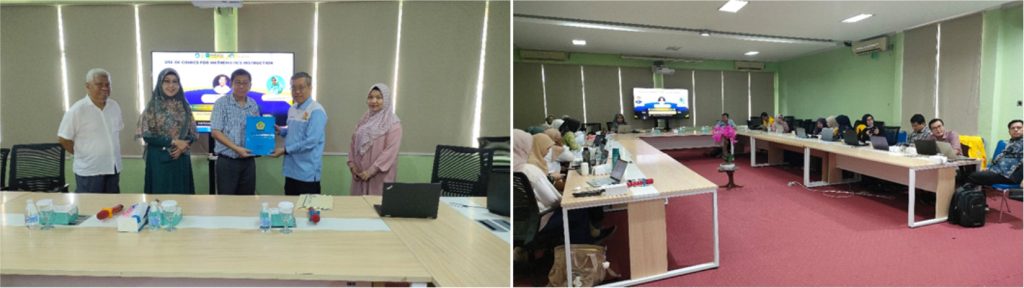
The Adjunct Professor Lecture by Prof. Toh Tin Lam from the National Institute of Education, Nanyang Technological University, Singapore, was held in 2024 by the Doctoral Program in Mathematics Education, FKIP Universitas Sriwijaya. The lecture focused on innovative approaches in mathematics teaching and teacher education, emphasizing the use of comic. Prof. Toh shared international perspectives that inspired doctoral students and lecturers to reflect on how educational research can address real classroom challenges. This academic exchange strengthened FKIP’s global partnership network and supported professional learning communities across Southeast Asia. The event aligns with SDG 4 (Quality Education) by fostering international collaboration, advancing teacher competence, and promoting access to global educational expertise.

Provide public access to libraries including books and publications

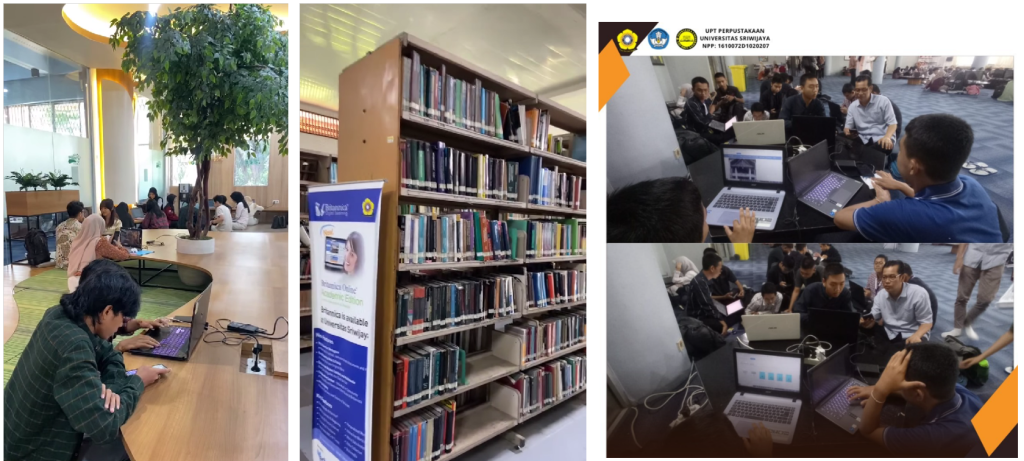
Universitas Sriwijaya (UNSRI) provides public access to its Central Library & digital collections.

  • Physical Public Access: The Central Library is open to the public daily from 08:00 to 18:00 WIB.
  • Access Policy: Public (non-UNSRI) members can apply for a “Day Pass Visitor Pass” to access the library.
  • Services for Public: This pass grants public visitors services, including read-on-site access to all printed collections, use of dedicated computer terminals, Turnitin check services, and access to facilities like the theater room and library cafe.
  • Digital Public Access: The UNSRI Digital Library (Digilib) is fully accessible online globally. This includes the Online Public Access Catalog (OPAC) and the Online Repository (open access theses/dissertations).

Usage Data: In 2024, the library recorded around 42,000 visits from all visitors.

Public access to buildings

Provide public access to buildings and/or monuments or natural heritage landscapes of cultural significance

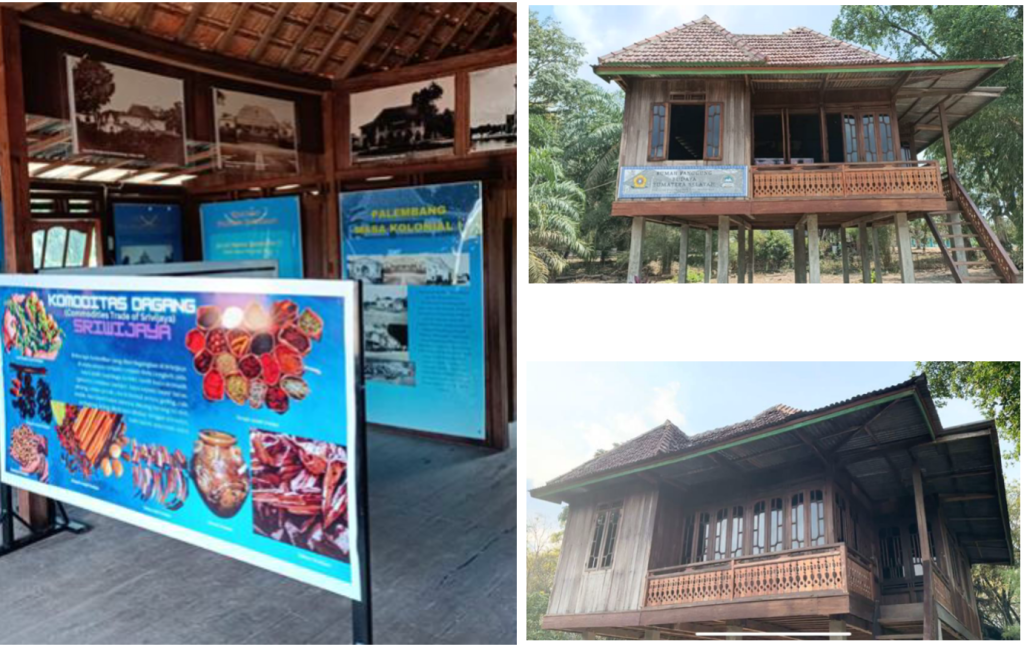
Yes, Universitas Sriwijaya (UNSRI) provides public access to buildings and landscapes of cultural heritage significance, embodied by the Taman Pendidikan (Education Park) at the Faculty of Teacher Training and Education (FKIP).

  • Cultural Significance: The Taman Pendidikan is designed with traditional South Sumatran architectural elements and cultural heritage. It functions as a practical space for cultural and educational activities to promote appreciation for local traditions.
  • Public Access Policy: The park is open for public visitation.
  • Access Schedule: The public can access this area every workday (Monday-Friday), during campus operational hours (e.g., 08:00 – 16:00 WIB).

Public & Community Use: The park is actively used for cultural preservation activities accessible to the public. For example, the park was the location for the “Serunting Sakti Performance,” an event by English Education students that was open to the campus community and the public.

Healthy canteen

Sriwijaya University has initiated the Healthy Canteen, Healthy Campus program as an effort to provide healthy food choices in the canteen, which will ultimately promote the realization of a healthy campus. Through this program, campus dining halls offer meals and snacks that are lower in added sugars, unhealthy fats, and sodium, while rich in fruits, vegetables, whole grains, and lean proteins. In addition to providing healthier options, the program focuses on creating a culture of health across campus, benefiting students, staff, and faculty alike.

Some of the key components and benefits of the Healthy Canteen, Healthy Campus Program, an initiative of Sriwijaya University:

  1. Balanced, nutritional meals

The program focuses on providing well-rounded meals that contain a variety of nutrients. By incorporating whole foods such as fruits, vegetables, whole grains and lean proteins, the program helps students make healthier choices to support their physical health, mental clarity and overall well-being.

  1. Healthy eating education

Healthy campus programs also provide students with resources and information about nutrition, portion sizes, and the impact of healthy eating on academic performance and long-term health. Workshops, nutritional labels, and informative signage make it easy for students to make informed choices.

  1. Affordable, accessible options

Recognizing that many students are on tight budgets, the program ensures that healthy options are not only available, but also affordable and accessible to all. This approach helps remove financial barriers to healthy eating and increases food security on campus.

  1. Reduce the amount of processed foods and sugar-sweetened beverages

The program prioritizes the reduction of highly processed foods and sugary drinks that contribute to chronic health problems, replacing them with healthier alternatives such as fresh juices, infused water, and healthy snacks. By creating an environment where nutritious options are the default, the program subtly changes students’ eating habits over time.

  1. Sustainability and Local Ingredients

Whenever possible, cafeterias incorporate locally sourced and sustainably produced ingredients. This not only supports the local economy, but also reduces the carbon footprint associated with transporting food, which aligns with campus sustainability goals.

  1. Creation of Healthy Space

Beyond food choices, the Healthy Canteen, Healthy Campus program fosters an environment where health is a campus-wide priority. Dining halls are being redesigned to be welcoming and calming spaces where students can take mindful breaks, socialize, and focus on self-care while enjoying nutritious meals.

  1. Promoting mental and physical health

Health and nutrition are closely linked to academic performance, mental clarity, and energy levels. By ensuring that healthy meals are readily available, the program plays an important role in helping students maintain physical health, manage stress, and focus on their studies.

  1. Dining options are inclusive

Healthy campus programs often include a variety of food options to accommodate students with different dietary preferences and needs, including vegetarian, vegan, gluten-free and allergy-sensitive options. This inclusivity fosters a sense of belonging and ensures that every student has access to meals that support their well-being.