Work with local authorities to address planning issues and development, including ensuring that local residents are able to access affordable housing
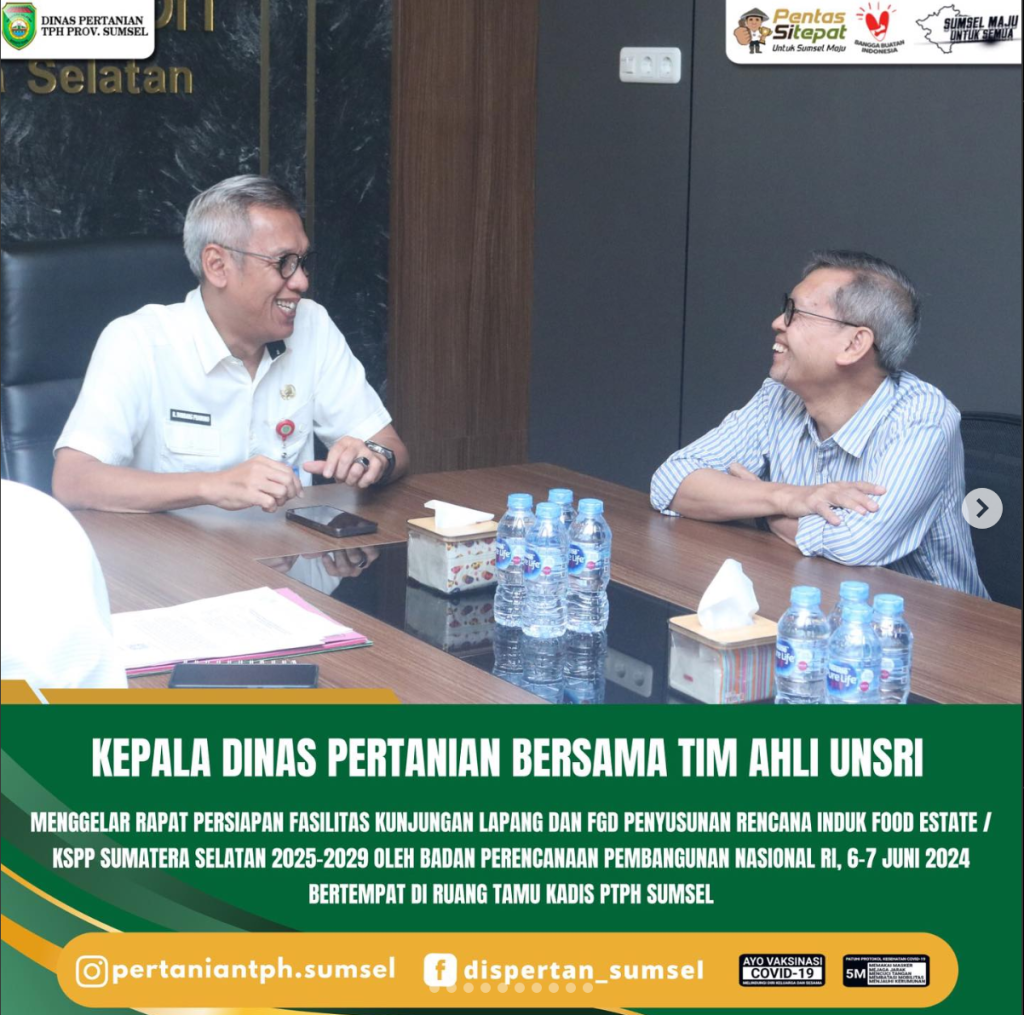
Universitas Sriwijaya (UNSRI) actively collaborates with local and national authorities to address regional planning and development issues. A key example is the involvement of UNSRI’s Expert Team (“Tim Ahli”) with the Head of the South Sumatra Agriculture Office (“Dinas Pertanian”) and the National Development Planning Agency (Bappenas). On June 5, 2024, they held a preparatory meeting to help compose the 2025-2029 Master Plan for the South Sumatra Food Estate (KSPP). This partnership extends to the grassroots level through the university’s Thematic Community Service Program (KKNT), managed by UNSRI’s LPPM. On December 10, 2024, UNSRI deployed its 101st KKNT group, which is explicitly focused on achieving Sustainable Development Goals (SDGs) in partnership with local village authorities. The program’s themes directly address local development planning, including “Smart Farming,” “Digital-Based Waste House,” “Healthy Village,” “Climate-Responsive Village,” and “Literacy Village.”