(+62) 81927650130
8:00 AM - 4:00 PM
Monday to Friday


Warning: Undefined variable $industryup_author_text in /home/rvjctbuv/sustainability.unsri.net/wp-content/themes/industryup/inc/ansar/enqueue.php on line 159
Admin Suistainability

Gender Equality through inclusive scholarship and support programs

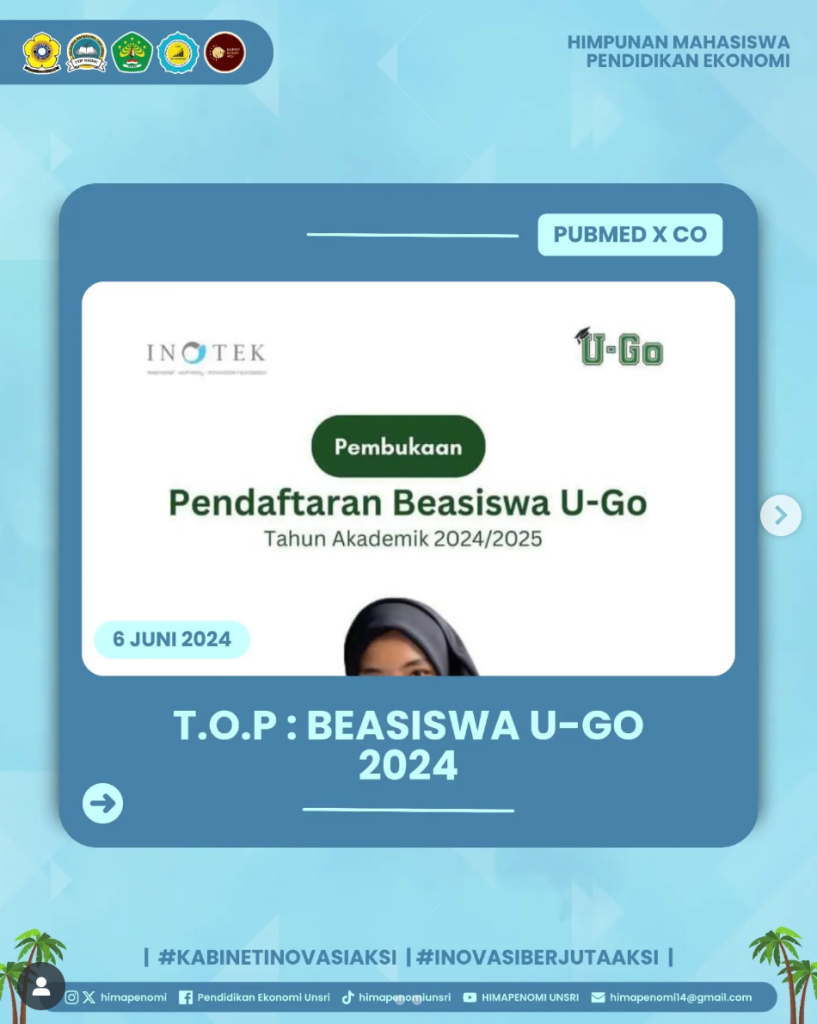
Universitas Sriwijaya reinforces its commitment to Sustainable Development Goal (SDG) 5: Gender Equality through inclusive scholarship and support programs that enhance women’s access to higher education. The university implements targeted initiatives such as mentoring, financial aid, and leadership development to empower female students and promote equitable participation. In 2024, UNSRI collaborated with government, private partners, and internal funding schemes to provide scholarships for students from diverse backgrounds while maintaining gender balance in all awards. A notable example is the U-Go Scholarship 2024-2025, a program dedicated to empowering young women to pursue their academic ambitions and contribute positively to their families and communities. Beyond financial assistance, this scholarship emphasizes leadership and personal growth, ensuring that recipients are equipped to succeed academically and socially in an inclusive university environment.

Provide free public access to open spaces and green spaces

Universitas Sriwijaya (UNSRI) provides free public access to its open and green spaces, aligning with SDG 11. The campus spans 7,241,059 m², with significant areas dedicated to environmental use.

A large portion, 2,228,520 m² (32% of the total area), is preserved as natural forest, while 1,405,310 m² (19%) is used for tree planting, including fruit trees. These green spaces also function as “living laboratories” for student and researcher learning.

Key accessible areas include:

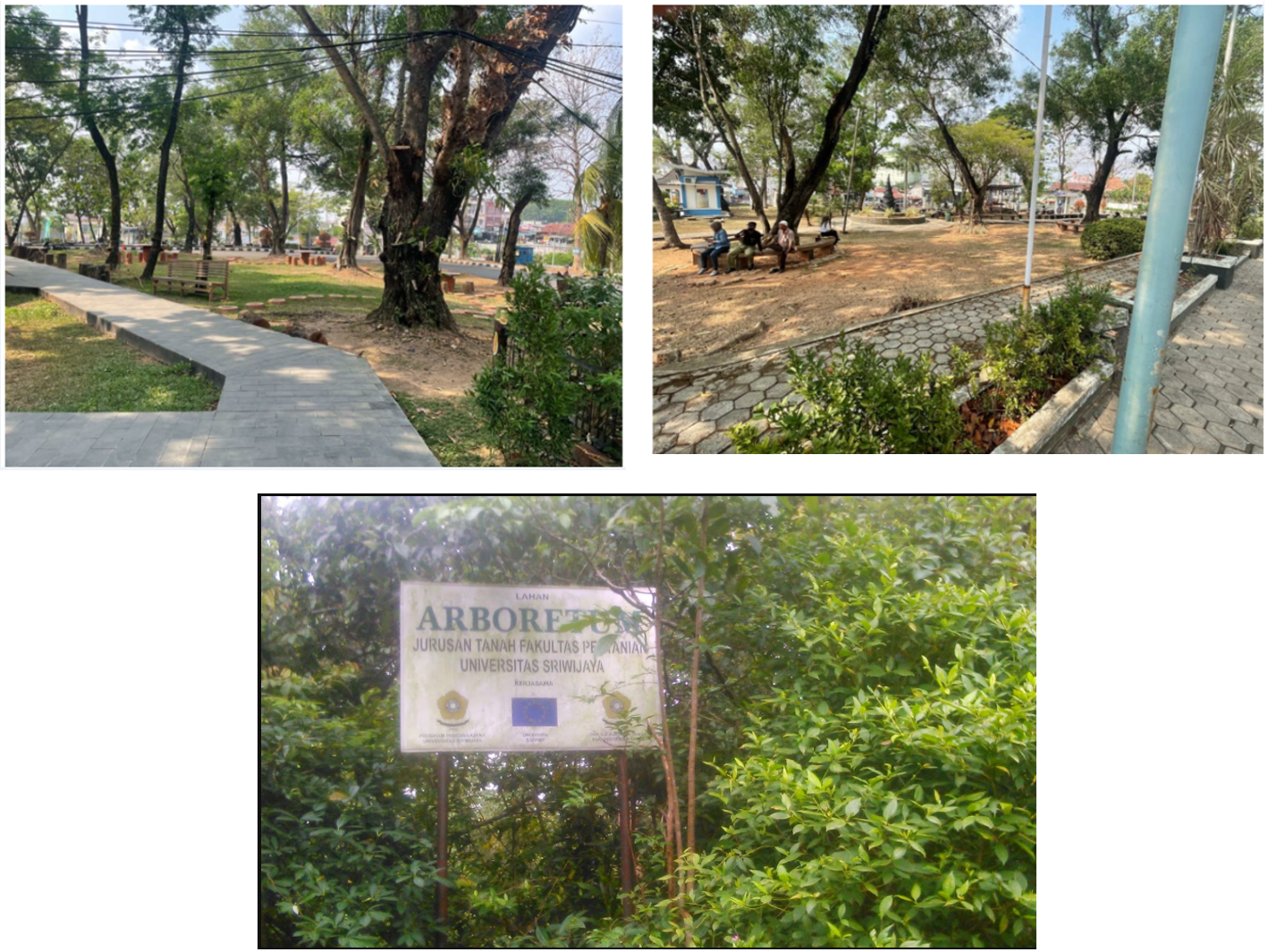
  • Taman Firdaus: A 70-hectare park in Indralaya. This space is open to the public free of charge, although visitors must obtain prior permission from campus officials for management or commercial purposes.
  • Arboretum: A 5-hectare section within the natural forest established in 2007. This area actively conserves native tree species (such as Alstonia scholaris and Parkia speciosa) by systematically removing invasive Acacia mangium.

Hazardous Waste Treatment and Providing Trash Bins in the Campus to Prevent Marine Pollution

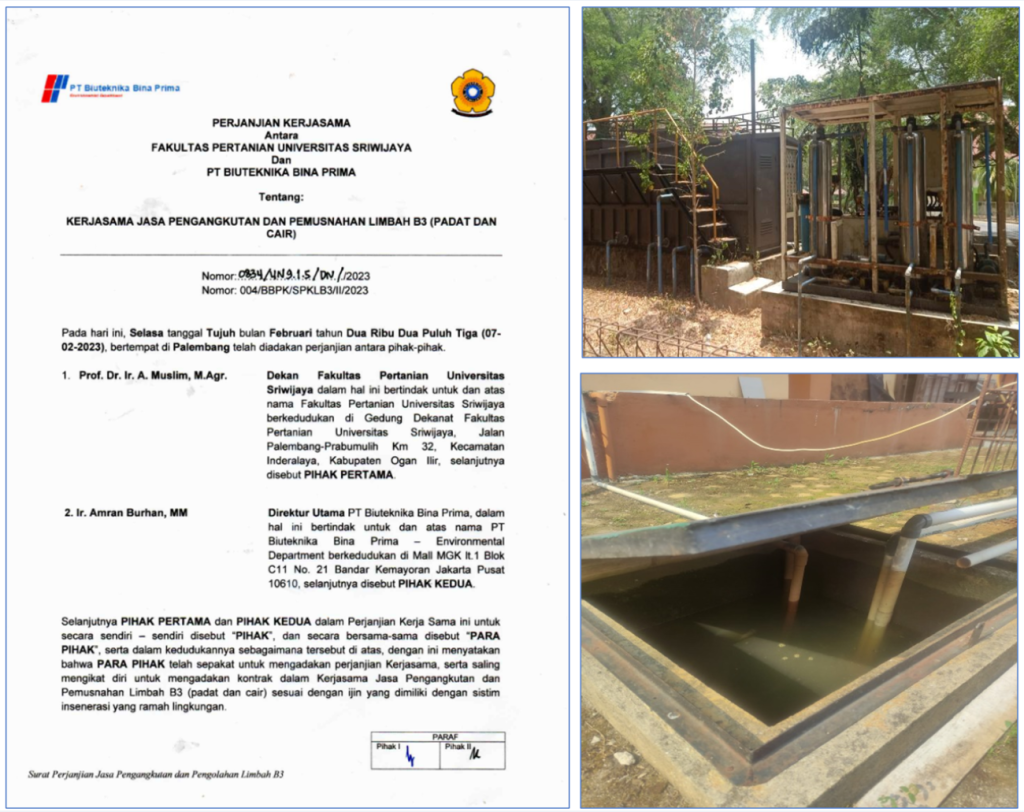
Marine pollution is an event that occurs due to the entry of chemicals, particles, and waste from human activities in various sectors, including in campus areas. Universitas Sriwijaya (UNSRI) is one of the higher education institutions located in South Sumatra Province. South Sumatra Province is home to the Musi River, which flows into the sea. In order to prevent marine pollution, UNSRI has implemented several policies related to this, such as providing trash bins on campus and processing hazardous waste before it is disposed of into the environment. Regarding hazardous waste, UNSRI has also partnered with third parties in managing this waste.

Activity Description Financial Literacy Contest, November 9, 2024

The Financial Literacy Contest is a public educational activity organized by the Department of Educational Science, Faculty of Teacher Training and Education (FKIP) of Sriwijaya University. This event will be held from September 7-9, 2024, at the Ogan Hall, Ogan Campus, FKIP Sriwijaya University. The event is designed as an open learning platform that brings together the academic community of the university with high school and vocational school students in Palembang, aiming to enhance financial literacy among the younger generation. The activity is attended by high school and vocational school students as well as educators and school mentors. Through this educational competition, participants not only gain applicable financial knowledge but also have the opportunity to develop their creativity and critical thinking skills. The Financial Literacy Contest aims to:

1. Enhance understanding and awareness of financial literacy among high school/vocational school students throughout Palembang City through an educational competition.
2. Encourage students’ creativity in understanding and communicating financial concepts through the Quiz Competition and Financial Literacy Video contests.
3. Build collaboration between educational institutions and stakeholders in the financial sector to support the development of financial literacy among students.
4. Provide appreciation and motivation to students in developing their financial literacy skills through awards and certification.
5. Support government programs in improving the financial literacy index among the younger generation in Indonesia, particularly in the Palembang area.

The implementation of this activity is carried out collaboratively and openly. Participants go through registration, technical meetings, the opening of activities, and the competition, which includes two types of events: the Financial Literacy Quiz Competition and the Financial Literacy Video Competition. The benefits of this activity contribute significantly to the Sustainable Development Goals (SDGs) in the field of Quality Education, ensuring access to inclusive, equitable, and quality education and supporting lifelong learning opportunities. Through this event, FKIP Sriwijaya University plays a role in expanding access to education in the financial sector for the younger generation, fostering awareness of wise financial management, and strengthening critical, creative, and collaborative thinking skills. Thus, this event is not just a competition but also a public learning platform that contributes to the improvement of education quality and sustainable financial literacy.

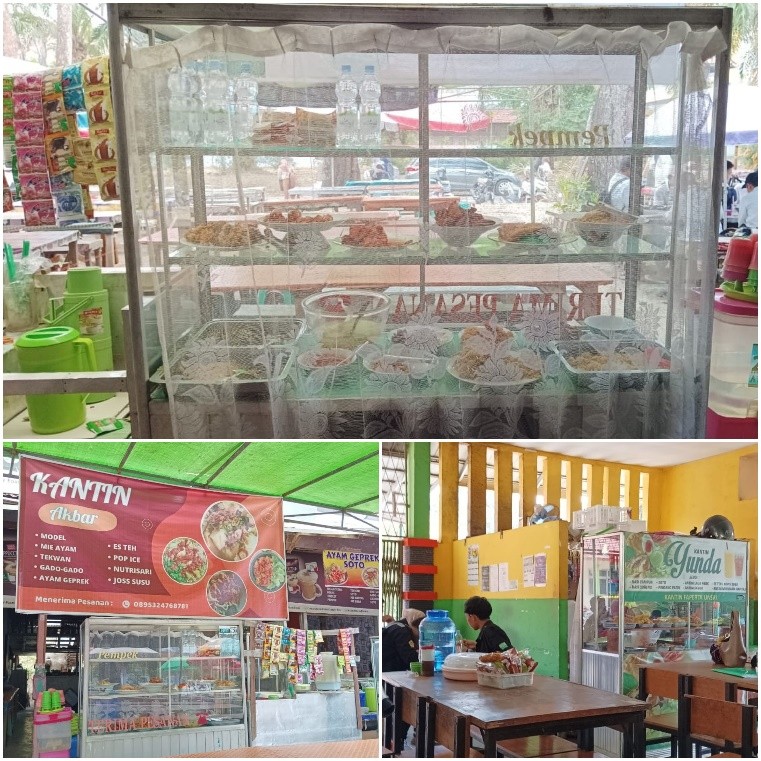
A Holistic Programme on Student Food Security

Proper nutrition is critical to the physical and mental well-being of students. Malnutrition or hunger can affect cognitive function, concentration, and overall health, ultimately impacting academic performance. By ensuring that students have access to nutritious meals, universities can support the physical and mental health of their students.

Sriwijaya University itself has implemented a holistic student food security program consisting of the following programs:

  1. Campus Food Pantries

Some faculties at Sriwijaya University have established campus food pantries to provide students with immediate access to free and affordable food. These pantries provide non-perishable items, fresh produce and basic groceries, allowing students to focus on their studies instead of worrying about their next meal.

  1. Meal Swipe Donation Programs

The Student Community has a Meal Swipe Donation Initiatives program where students with extra meal credits can donate them to students in need. This program allows students to eat in the dining hall without additional financial burden and fosters a supportive campus community.

  1. Rice for Students

The Faculty of Agriculture opened a rice kiosk for the campus community, which is open to all, including students, at lower selling prices with good quality rice, the result of the last growing season’s rice harvest. The main manager of this rice kiosk is a student with the help of experienced faculty. This activity was carried out to ensure the availability of basic food for students and to eliminate the possibility of hunger among Sriwijaya University students.

  1. Partnerships with local food banks (Desa Binaan UNSRI)

Sriwijaya University is increasingly partnering with local food banks and non-profit organizations to ensure a consistent supply of food for students in need. These partnerships strengthen support networks and increase resources, creating a more resilient framework for student food security. Sriwijaya University has a long history of partnering with villages, where through this program, the academic community shares knowledge in various areas, including food availability and security, with local farmers. And the local farmer becomes a supplier of staple foods for UNSRI’s needs.
Universitas Sriwijaya actively promotes gender diversity

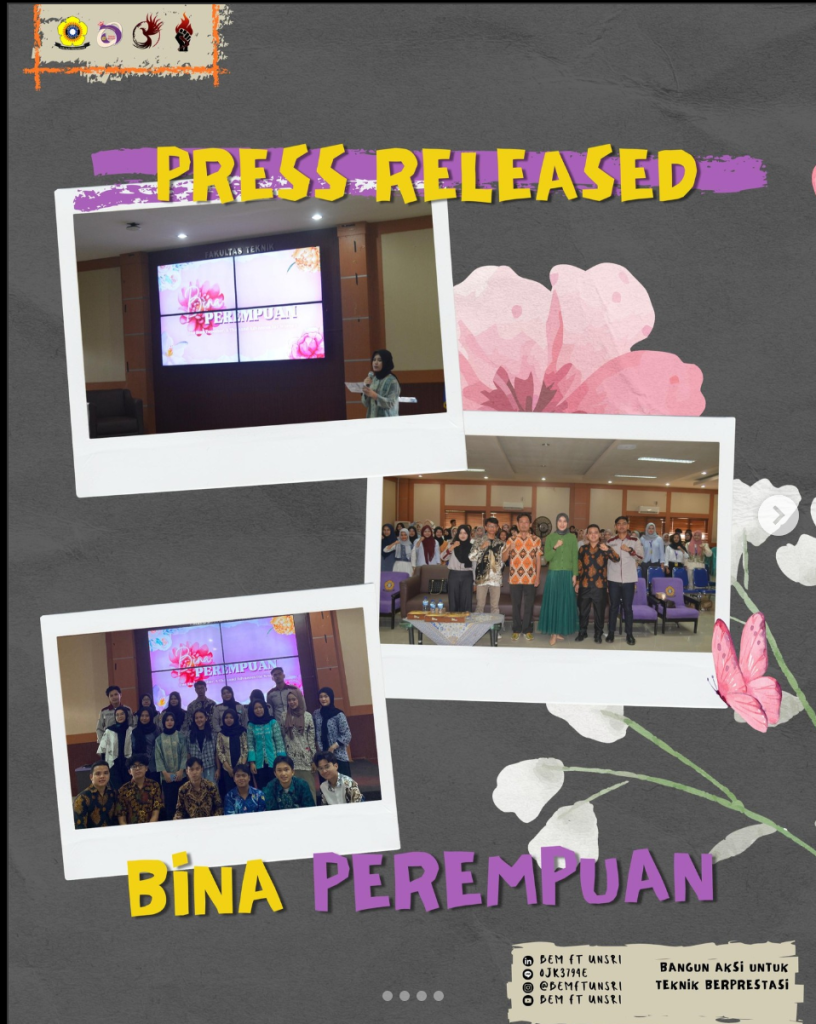
Universitas Sriwijaya actively promotes gender diversity by encouraging women to pursue studies in fields where they have been traditionally underrepresented, particularly in engineering and technology. In 2024, the Faculty of Engineering launched a series of initiatives to inspire and empower young women to explore STEM disciplines through mentorship, campus outreach, and social-media campaigns. These programs aim to highlight women’s potential in engineering and foster equal participation in science-based education. The Faculty of Engineering Women’s Empowerment 2024 program, featured publicly on the faculty’s Instagram page, showcases UNSRI’s efforts to create a supportive environment where female students are motivated to join and excel in technical fields. This initiative reflects the university’s commitment to Sustainable Development Goal (SDG) 5: Gender Equality and to breaking gender barriers in higher education.

Arts and heritage contribution

Contribute to local arts, in terms of number of annual public performances of university choirs, theatre groups, orchestras etc. either ad-hoc or as part of an ongoing program

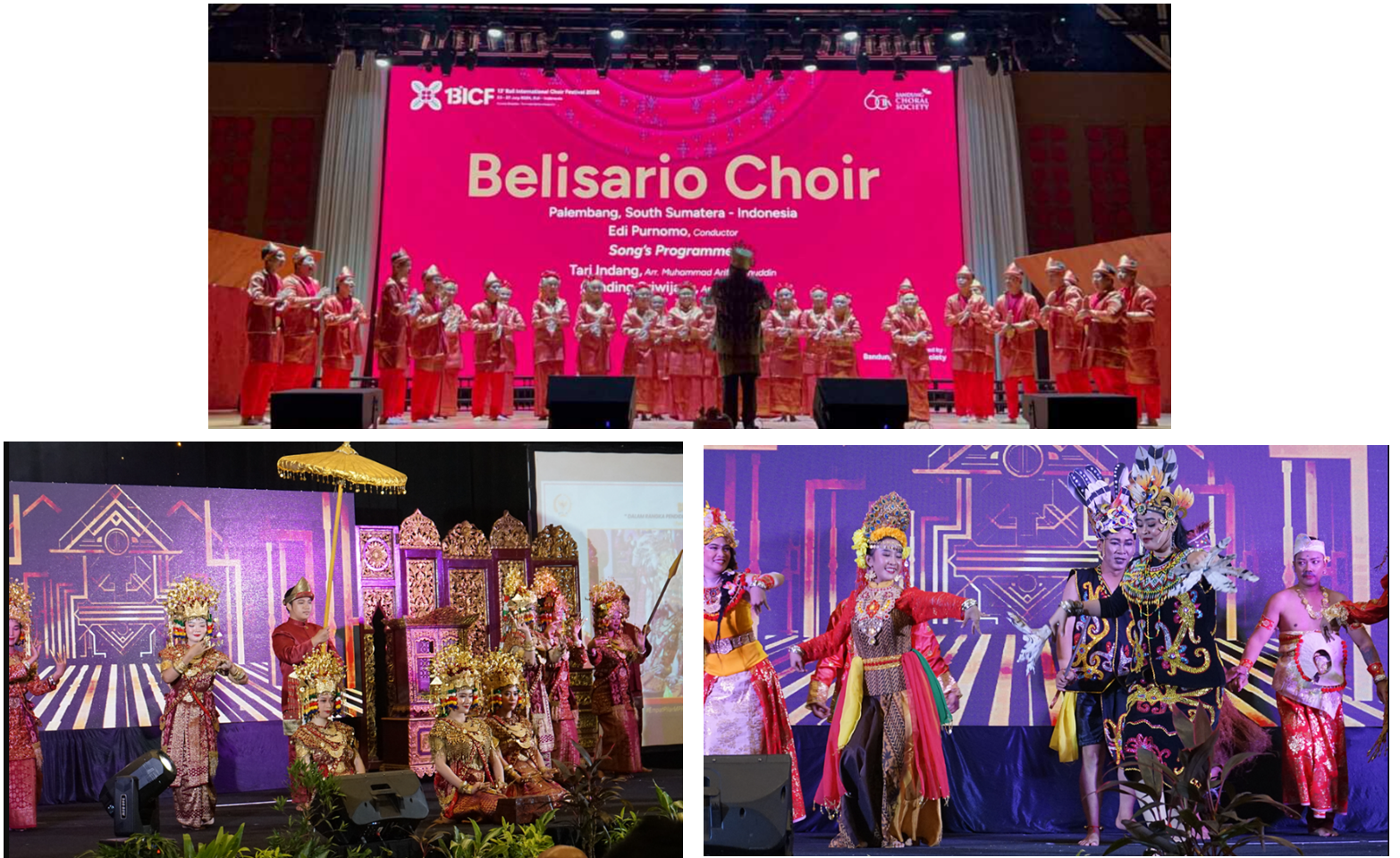
Universitas Sriwijaya actively contributes to arts and heritage through numerous public performances at local, national, and international levels, participating in over 20 ad-hoc events annually involving its choir, theatre, dance, and music groups. A primary event is the “Disforia Cultur Festival,” organized by the UNSRI Student Executive Body (BEM) on December 6, 2024. This festival features public art performances, including dance, drama, and music, from various university and faculty student organizations.

UNSRI also collaborates with external bodies. On May 23, 2024, FISIP UNSRI co-hosted the MPR RI cultural arts performance, using art to educate youth. Internally, the Dharma Wanita Persatuan (DWP) UNSRI held arts activities for Mother’s Day on December 19, 2024. On the international stage, the UNSRI Student Choir (Belisario Choir) made a significant contribution by winning gold and silver medals at the 13th Bali International Choir Festival (BICF) in July 2024.

Work with local authorities to address planning issues and development, including ensuring that local residents are able to access affordable housing

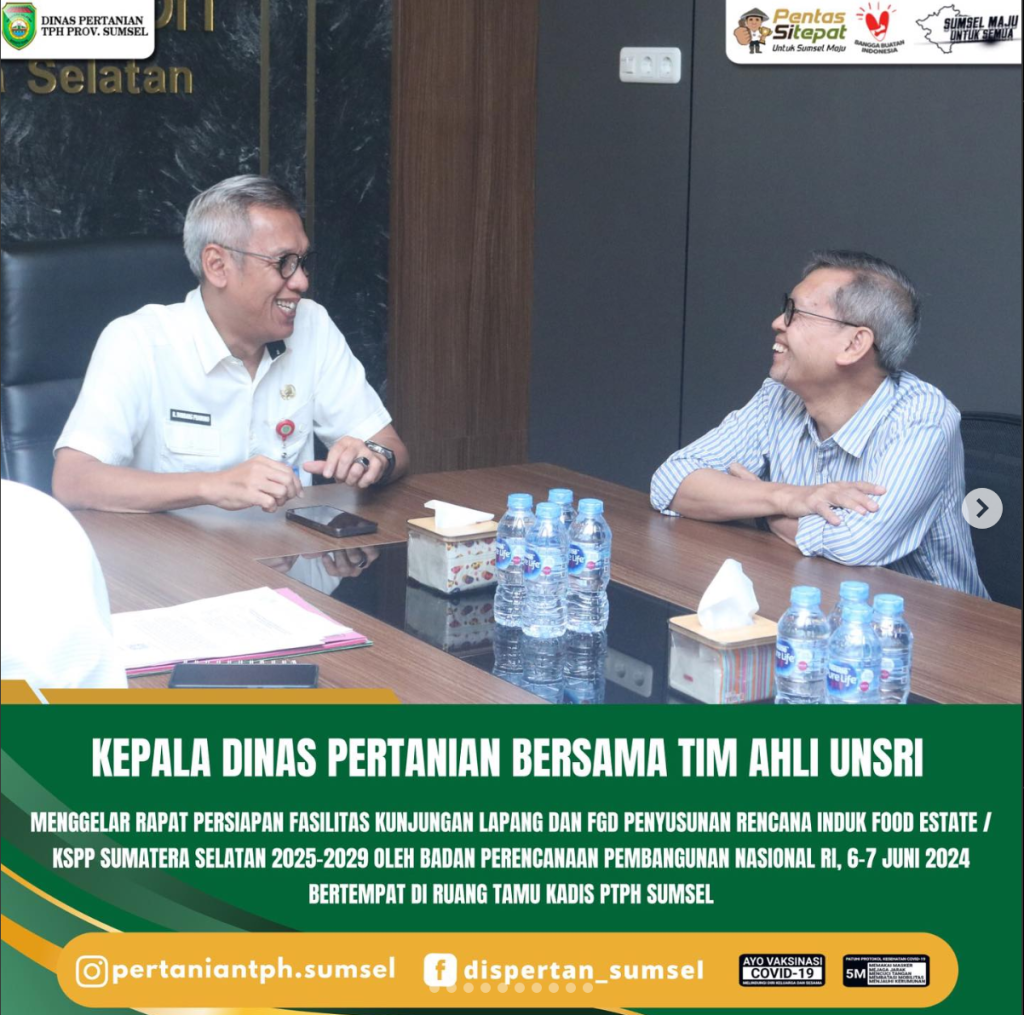
Universitas Sriwijaya (UNSRI) actively collaborates with local and national authorities to address regional planning and development issues. A key example is the involvement of UNSRI’s Expert Team (“Tim Ahli”) with the Head of the South Sumatra Agriculture Office (“Dinas Pertanian”) and the National Development Planning Agency (Bappenas). On June 5, 2024, they held a preparatory meeting to help compose the 2025-2029 Master Plan for the South Sumatra Food Estate (KSPP). This partnership extends to the grassroots level through the university’s Thematic Community Service Program (KKNT), managed by UNSRI’s LPPM. On December 10, 2024, UNSRI deployed its 101st KKNT group, which is explicitly focused on achieving Sustainable Development Goals (SDGs) in partnership with local village authorities. The program’s themes directly address local development planning, including “Smart Farming,” “Digital-Based Waste House,” “Healthy Village,” “Climate-Responsive Village,” and “Literacy Village.”

Sustainable practices targets

Measure and set targets for more sustainable commuting (walking, cycling or other non-motorized transport, vanpools, carpools, shuttlebus or public transportation, motorcycle, scooter or moped, or electric vehicles)

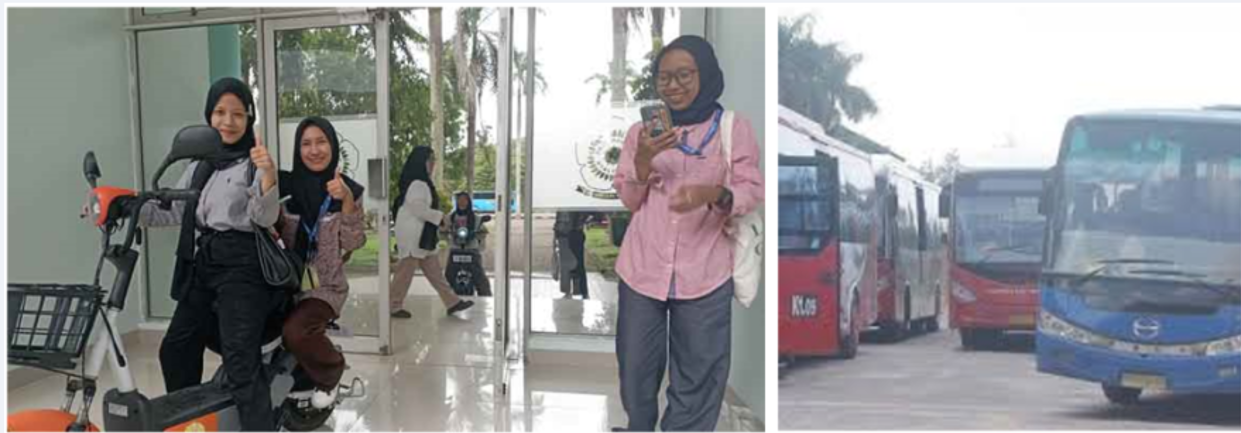
Universitas Sriwijaya (UNSRI) promotes sustainable commuting (SDG 11) through tangible practices. The university provides public transportation, including campus buses and shuttles, to reduce private vehicle use and carbon emissions. To further enhance public transport access, UNSRI has been working with the local government to develop a feeder shuttle bus system to connect student accommodations with the Light Rail Transit (LRT).

Additionally, UNSRI has adopted electric vehicles, introducing 30 electric bicycles for operational use by faculty, staff, and students. These initiatives demonstrate UNSRI’s commitment to creating a more inclusive, efficient, and environmentally sustainable campus transportation system.

Liquid Waste Management as an Effort to Protect Aquatic Ecosystems

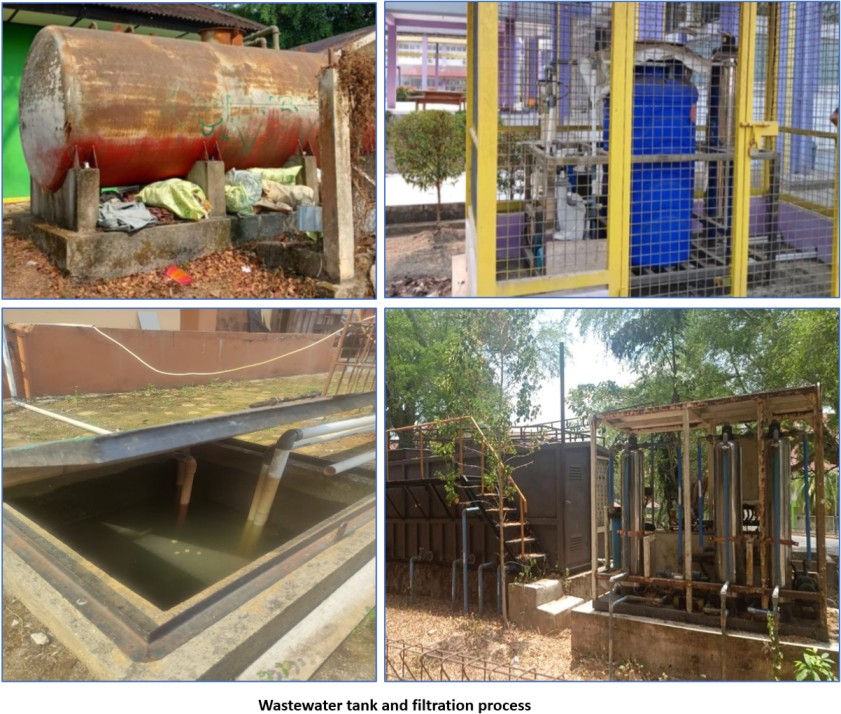
Liquid waste refers to waste produced from various activities that involve the use of liquids. Such waste can alter aquatic ecosystems due to the presence of environmentally harmful chemical substances. This problem can be mitigated by treating liquid waste before it is released into the environment. To minimize the negative impact of liquid waste on aquatic ecosystems, Sriwijaya University (UNSRI) has implemented a liquid waste treatment process prior to discharge. Part of the treated wastewater is also reused for plant irrigation. Additionally, UNSRI collaborates with PT Biuteknika Bina Prima for the transportation and disposal of hazardous and toxic liquid waste. Through these initiatives, UNSRI aims to reduce ecological disturbances caused by chemical and biological contaminants.