(+62) 81927650130
8:00 AM - 4:00 PM
Monday to Friday


Warning: Undefined variable $industryup_author_text in /home/rvjctbuv/sustainability.unsri.net/wp-content/themes/industryup/inc/ansar/enqueue.php on line 159
Admin Suistainability

Undertake actions to promote more sustainable commuting

Universitas Sriwijaya (UNSRI) promotes sustainable commuting through several ways:

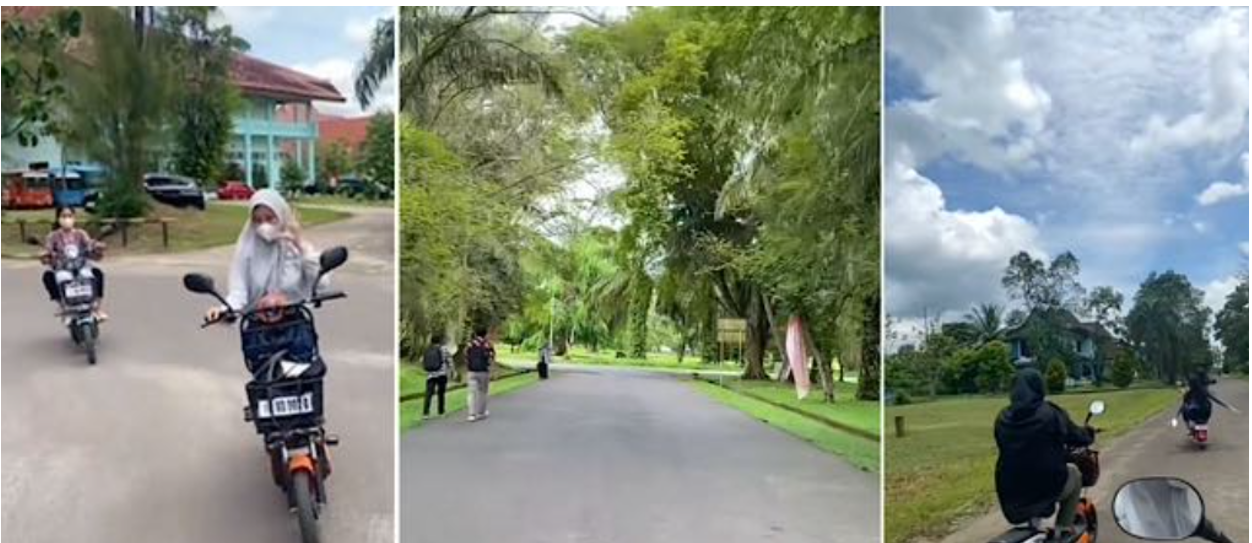
First, UNSRI provides internal public transport options, such as campus buses and shuttles, to facilitate mobility for students, faculty, and staff. This service aims to reduce dependency on private vehicles and cut carbon emissions. Additionally, UNSRI has adopted electric vehicles, providing 30 electric bicycle units for operational activities on campus and promoting a zero-emission transport alternative.

Second, UNSRI takes action to improve driving safety culture. Academics from the Faculty of Public Health launched a “Driving Safety Culture on Campus” community service program. The material focused on safety education, safe riding techniques, traffic sign knowledge, and the importance of personal protective equipment (PPE) like helmets and gloves. An enthusiastic two-way discussion yielded feedback for improving campus driving conditions, with the ultimate goal of reducing accidents.

Sriwijaya University Promotes a Healthy Lifestyle Through Comprehensive Sports Facilities

In line with its strong commitment to promoting health, wellness, and a balanced lifestyle, Sriwijaya University (Unsri) continues to strengthen its reputation as a “Healthy and Active Campus.” Beyond academic excellence, the university provides a variety of modern sports facilities that support physical fitness and community well-being. These facilities are not only available for students, lecturers, and university staff, but are also open to the wider public, reflecting Unsri’s inclusive approach to fostering a healthy environment for all.

Located across Unsri’s main campuses in Indralaya and Palembang, the university’s sports infrastructure includes basketball courts, football fields, futsal courts, and a jogging track. Each facility has been designed and maintained to meet high safety and comfort standards, enabling users to enjoy recreational and competitive activities alike.

Basketball Courts: Energizing the Youth Spirit

Basketball has long been one of the most popular sports among Unsri students. The university offers well-equipped outdoor and indoor basketball courts that host various student competitions, faculty tournaments, and inter-university events. These courts are frequently used for daily training and practice sessions by student activity units and sports clubs. In the evenings, the courts are open to the public, allowing local residents—especially teenagers and young professionals—to stay active and build friendships through sport.

Futsal Courts: Dynamic Spaces for Fast-Paced Play

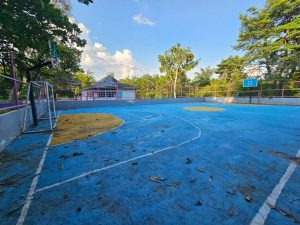
Complementing the larger football fields, Unsri provides futsal courts that cater to enthusiasts of the faster-paced variant of soccer. Covered and well-lit, these courts are ideal for both competitive games and recreational matches, regardless of weather conditions. The futsal courts are frequently booked by student organizations, staff groups, and external communities—creating a vibrant atmosphere of engagement and camaraderie. This facility also supports various university events that encourage students to manage stress through physical activity.
 

Football Fields: Building Teamwork and Discipline

The football fields at Unsri’s Indralaya campus are among the most utilized facilities, serving as venues for both academic and community events. The fields support large-scale tournaments such as the “Rector Cup” and “Dean Cup,” as well as friendly matches involving local communities. Regular maintenance ensures that the grass fields remain in excellent condition throughout the year. These open spaces also serve as gathering areas for students and residents, symbolizing the spirit of teamwork, discipline, and sportsmanship that Unsri aims to cultivate.
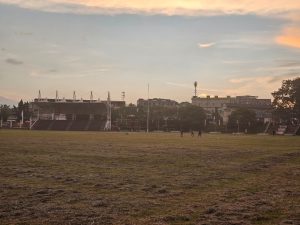
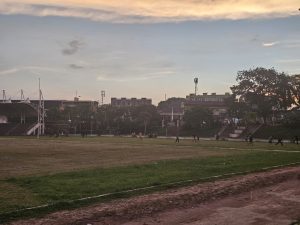
Jogging Tracks: Encouraging Healthy Daily Habits

To promote daily exercise among students and the public, Unsri has developed jogging tracks that surround its main campus areas. These tracks are shaded with trees, providing a refreshing environment for running or walking. Every morning and late afternoon, the jogging track becomes a lively space filled with students, lecturers, and community members. Many alumni and local families also use the tracks for leisure activities, making the area a living example of how academic spaces can blend with community wellness.
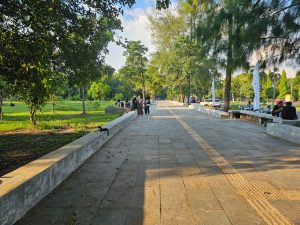
 

Open Access for the Public

One of the most distinctive features of Sriwijaya University’s sports program is its open-access policy. Recognizing the role of universities as agents of social transformation, Unsri allows community members to use most sports facilities at designated times without cost. This initiative aligns with the university’s social responsibility values and its contribution to Sustainable Development Goal (SDG) 3: Good Health and Well-Being. Through these efforts, Unsri encourages the community to adopt a healthy lifestyle, reduce sedentary habits, and build social connections through sports.

Promoting Collaboration and Inclusivity

The university’s sports facilities are also used for inter-faculty collaboration, sports science research, and physical education training, as well as joint programs with local schools and youth organizations. These activities strengthen ties between the university and surrounding communities. By promoting inclusivity and shared access, Unsri emphasizes that sports are not merely recreational but also educational and social instruments that foster unity, resilience, and leadership.

A Vision for a Healthier Future

Through its ongoing improvements in sports infrastructure, Sriwijaya University demonstrates its belief that a healthy mind must be supported by a healthy body. The availability of diverse, accessible, and well-maintained facilities reflects Unsri’s holistic educational philosophy—one that integrates academic growth with physical and mental well-being. As the university continues to evolve as a world-class institution, its commitment to health promotion and community engagement remains a central pillar of its mission.

By opening its doors to the public and continuously nurturing its sports ecosystem, Sriwijaya University stands as a model of a modern, health-oriented, and socially responsible higher education institution in Indonesia.
Race to Zero for Universities and Colleges

Sriwijaya University’s Sustainability and Climate Strategy 2025-2040 affirms the university’s commitment to supporting climate action and low-carbon development in line with the Long-Term Strategy for Low Carbon and Climate Resilience 2050 (LTS-LCCR) and the Net Zero Emission Roadmap 2060 of the Ministry of Environment and Forestry of the Republic of Indonesia. This strategy also integrates the principles of the Sustainable Development Goals (SDG 13: Addressing Climate Change) into all academic and operational activities on campus.

Sriwijaya University continues to strengthen its commitment to global climate action through concrete steps towards a low-carbon campus. As part of its Eco Green Campus Eduwisata vision, Sriwijaya University is preparing to join the international initiative “Race to Zero for Universities and Colleges,” a global movement encouraging higher education institutions to contribute to achieving net-zero emissions.

Unsri’s participation in this initiative will expand its international network of collaborations and strengthen the university’s efforts to achieve its carbon neutrality target by 2040, in line with Indonesia’s Net Zero Emission Roadmap 2060. Through green research, renewable energy innovation, and the application of resource efficiency principles, Unsri is committed to being part of the change towards a sustainable and climate-resilient future.

 Link:

https://www.educationracetozero.org/home

Record and preserve cultural heritage

Deliver projects to record and preserve intangible cultural heritage such as local folklore, traditions, language, and knowledge. This can include the heritage of displaced communities.

Universitas Sriwijaya (UNSRI) implements projects to record and preserve local intangible cultural heritage, focusing on inclusiveness by highlighting the history of diverse communities.

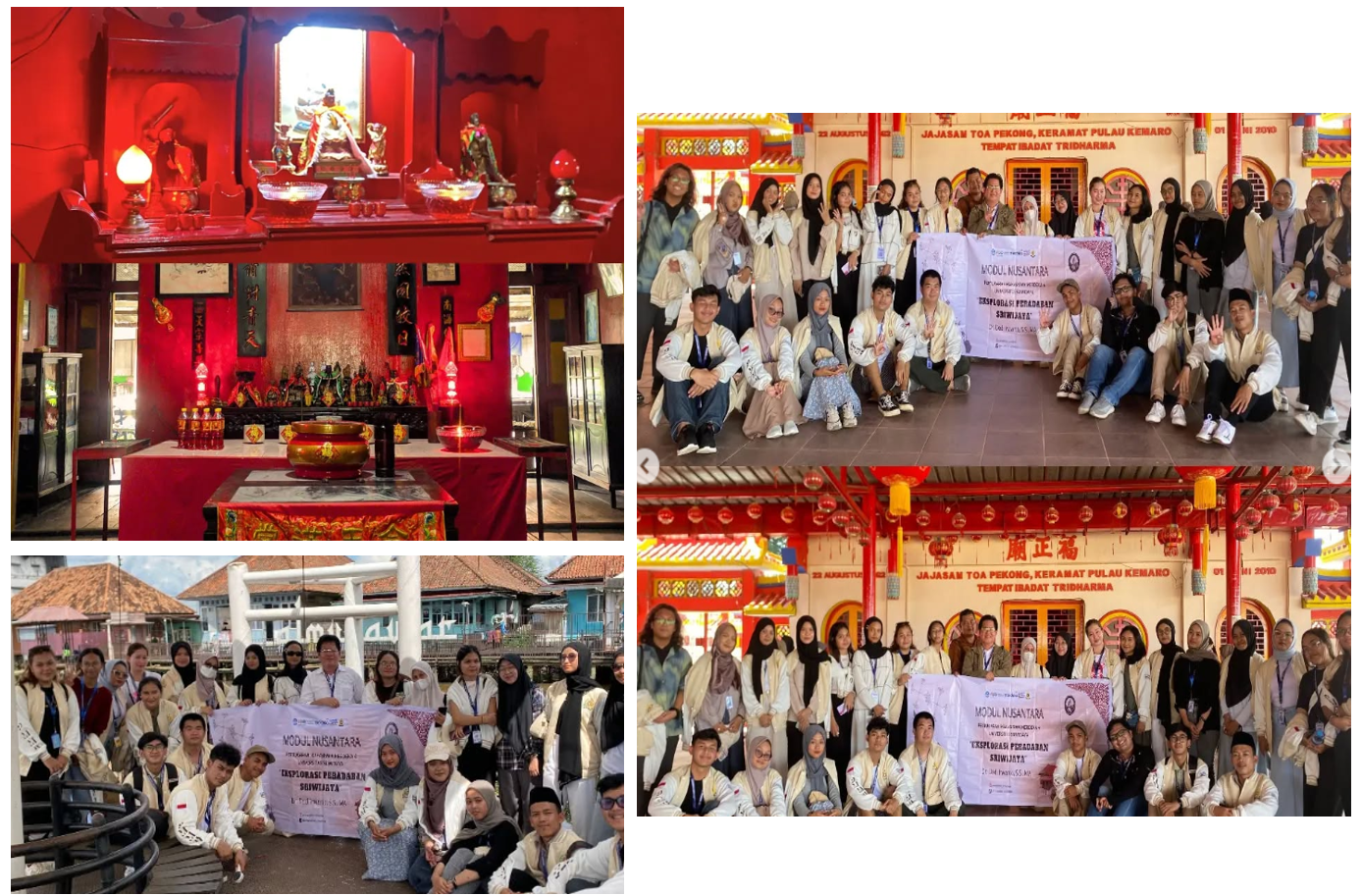
Through the “Eksplorasi Peradaban Sriwijaya” (Sriwijaya Civilization Exploration) program, students from the PMM 4 Inbound program engage in activities to document and understand this heritage. On March 9, 2024, students visited Bukit Siguntang to learn the history of the area, including the discovery of the Sriwijaya Buddha statue and the heritage of the founders of the Palembang Sultanate.

The program also actively records the heritage of minority communities. This includes discussions and visits to sites like Pulau Kemaro (preserving Chinese cultural heritage) and designated “tolerance villages” such as Kampung Tuan Kentang and the Al-Munawar Arab Village. These activities recognize and study the traditions and knowledge of ethnicities that have been part of the region since the Sriwijaya era.

Provide public access to museums, exhibition spaces or galleries, or works of art and artefacts

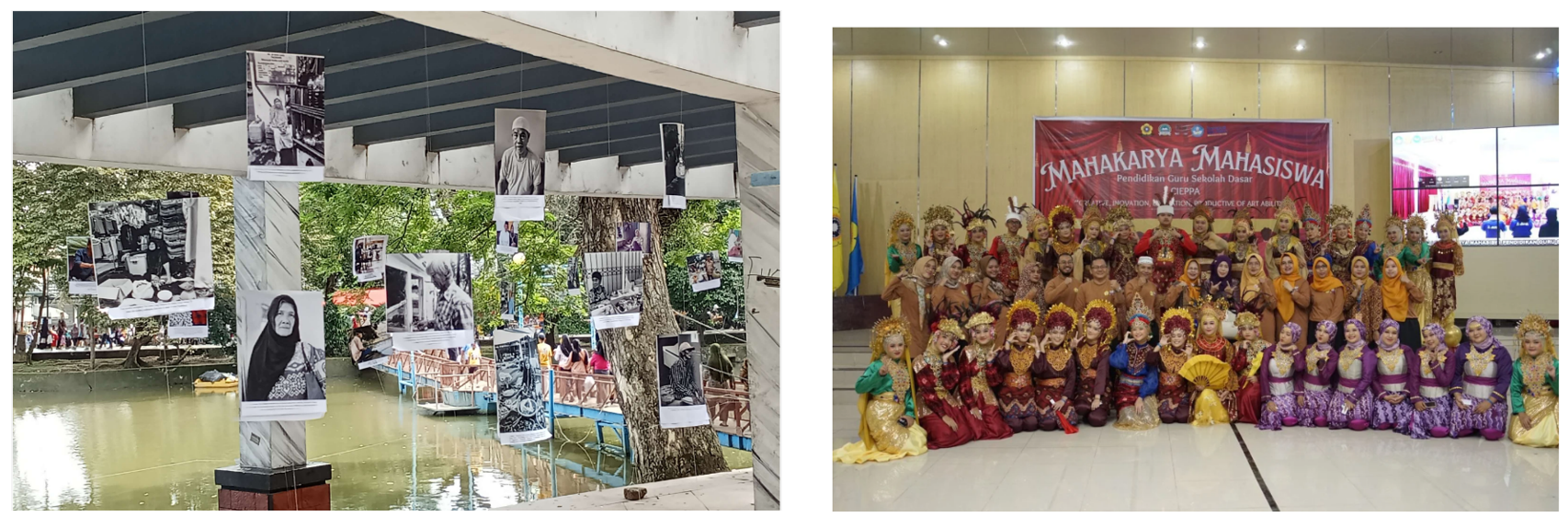
Universitas Sriwijaya facilitates public access to arts and cultural works through various student-led exhibitions and performances. A key example is the “Oldies but Goldies” photography exhibition, organized by Communication Science students (FISIP UNSRI) on June 2, 2024, to commemorate National Elderly Day. This event was held at the public Kambang Iwak Park in Palembang, ensuring open access. It featured photographs created by students that depicted the spirit and contributions of the elderly.

Additionally, the “Mahakarya” event, run by the Primary School Teacher Education program (PGSD FKIP), functions as an appreciation of student work. It features a public exhibition and art performances derived from courses like Fine Arts Education, Vocal and Music Arts Education, and Dance Arts Education. This event, themed “CIEPPA” (Creative, Innovation, Education, Productive of Art Ability), transforms academic outputs into accessible art and artifacts for the public.

Adjunct Professor Lecture by Prof. Toh Tin Lam (from National Institute of Singapore)

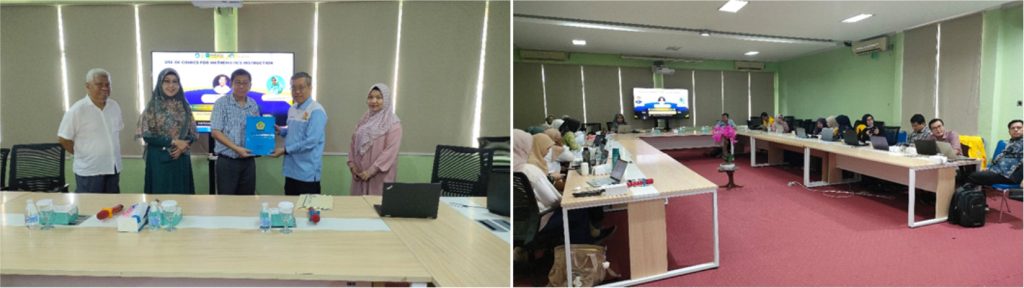
The Adjunct Professor Lecture by Prof. Toh Tin Lam from the National Institute of Education, Nanyang Technological University, Singapore, was held in 2024 by the Doctoral Program in Mathematics Education, FKIP Universitas Sriwijaya. The lecture focused on innovative approaches in mathematics teaching and teacher education, emphasizing the use of comic. Prof. Toh shared international perspectives that inspired doctoral students and lecturers to reflect on how educational research can address real classroom challenges. This academic exchange strengthened FKIP’s global partnership network and supported professional learning communities across Southeast Asia. The event aligns with SDG 4 (Quality Education) by fostering international collaboration, advancing teacher competence, and promoting access to global educational expertise.

Provide public access to libraries including books and publications

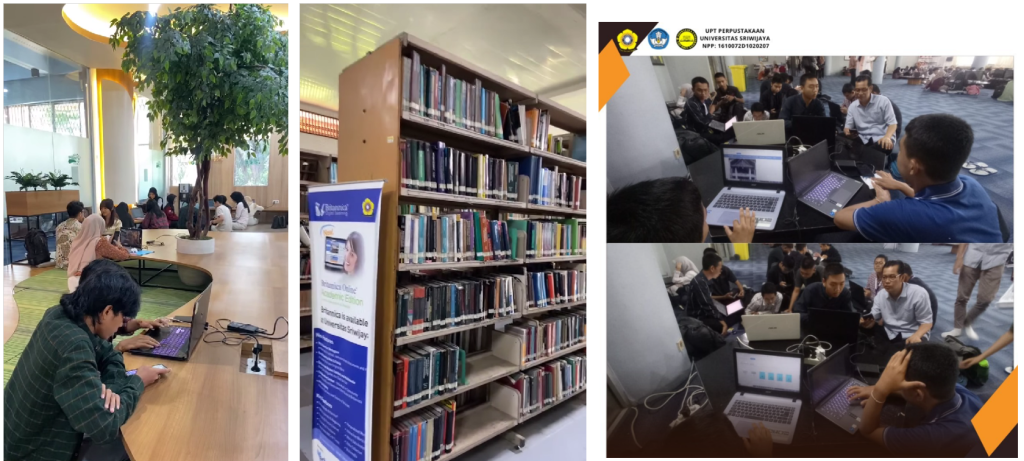
Universitas Sriwijaya (UNSRI) provides public access to its Central Library & digital collections.

  • Physical Public Access: The Central Library is open to the public daily from 08:00 to 18:00 WIB.
  • Access Policy: Public (non-UNSRI) members can apply for a “Day Pass Visitor Pass” to access the library.
  • Services for Public: This pass grants public visitors services, including read-on-site access to all printed collections, use of dedicated computer terminals, Turnitin check services, and access to facilities like the theater room and library cafe.
  • Digital Public Access: The UNSRI Digital Library (Digilib) is fully accessible online globally. This includes the Online Public Access Catalog (OPAC) and the Online Repository (open access theses/dissertations).

Usage Data: In 2024, the library recorded around 42,000 visits from all visitors.

Public access to buildings

Provide public access to buildings and/or monuments or natural heritage landscapes of cultural significance

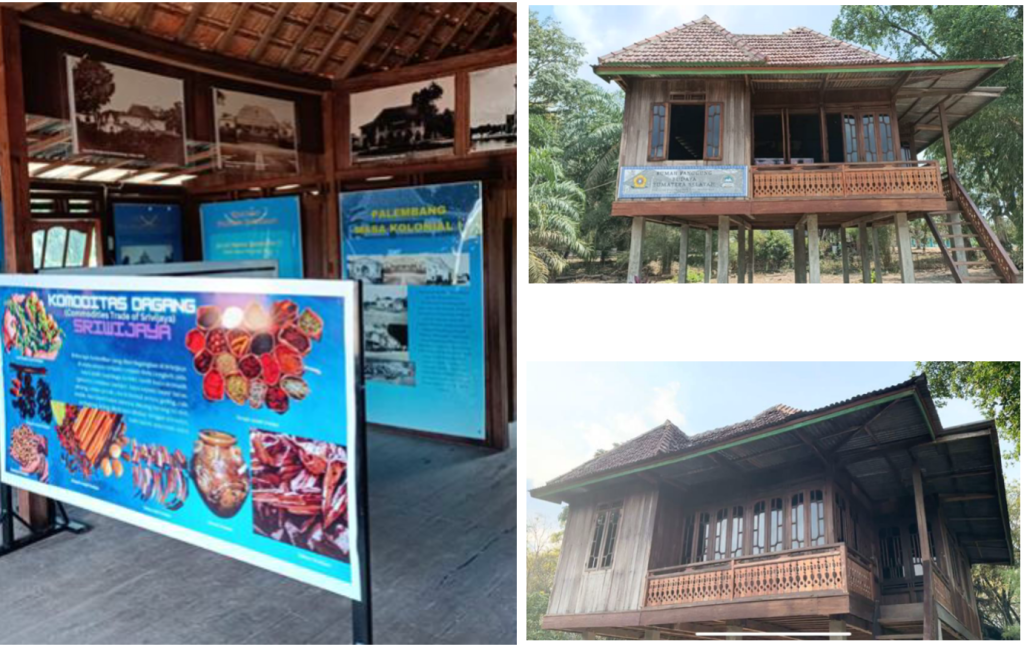
Yes, Universitas Sriwijaya (UNSRI) provides public access to buildings and landscapes of cultural heritage significance, embodied by the Taman Pendidikan (Education Park) at the Faculty of Teacher Training and Education (FKIP).

  • Cultural Significance: The Taman Pendidikan is designed with traditional South Sumatran architectural elements and cultural heritage. It functions as a practical space for cultural and educational activities to promote appreciation for local traditions.
  • Public Access Policy: The park is open for public visitation.
  • Access Schedule: The public can access this area every workday (Monday-Friday), during campus operational hours (e.g., 08:00 – 16:00 WIB).

Public & Community Use: The park is actively used for cultural preservation activities accessible to the public. For example, the park was the location for the “Serunting Sakti Performance,” an event by English Education students that was open to the campus community and the public.

Healthy canteen

Sriwijaya University has initiated the Healthy Canteen, Healthy Campus program as an effort to provide healthy food choices in the canteen, which will ultimately promote the realization of a healthy campus. Through this program, campus dining halls offer meals and snacks that are lower in added sugars, unhealthy fats, and sodium, while rich in fruits, vegetables, whole grains, and lean proteins. In addition to providing healthier options, the program focuses on creating a culture of health across campus, benefiting students, staff, and faculty alike.

Some of the key components and benefits of the Healthy Canteen, Healthy Campus Program, an initiative of Sriwijaya University:

  1. Balanced, nutritional meals

The program focuses on providing well-rounded meals that contain a variety of nutrients. By incorporating whole foods such as fruits, vegetables, whole grains and lean proteins, the program helps students make healthier choices to support their physical health, mental clarity and overall well-being.

  1. Healthy eating education

Healthy campus programs also provide students with resources and information about nutrition, portion sizes, and the impact of healthy eating on academic performance and long-term health. Workshops, nutritional labels, and informative signage make it easy for students to make informed choices.

  1. Affordable, accessible options

Recognizing that many students are on tight budgets, the program ensures that healthy options are not only available, but also affordable and accessible to all. This approach helps remove financial barriers to healthy eating and increases food security on campus.

  1. Reduce the amount of processed foods and sugar-sweetened beverages

The program prioritizes the reduction of highly processed foods and sugary drinks that contribute to chronic health problems, replacing them with healthier alternatives such as fresh juices, infused water, and healthy snacks. By creating an environment where nutritious options are the default, the program subtly changes students’ eating habits over time.

  1. Sustainability and Local Ingredients

Whenever possible, cafeterias incorporate locally sourced and sustainably produced ingredients. This not only supports the local economy, but also reduces the carbon footprint associated with transporting food, which aligns with campus sustainability goals.

  1. Creation of Healthy Space

Beyond food choices, the Healthy Canteen, Healthy Campus program fosters an environment where health is a campus-wide priority. Dining halls are being redesigned to be welcoming and calming spaces where students can take mindful breaks, socialize, and focus on self-care while enjoying nutritious meals.

  1. Promoting mental and physical health

Health and nutrition are closely linked to academic performance, mental clarity, and energy levels. By ensuring that healthy meals are readily available, the program plays an important role in helping students maintain physical health, manage stress, and focus on their studies.

  1. Dining options are inclusive

Healthy campus programs often include a variety of food options to accommodate students with different dietary preferences and needs, including vegetarian, vegan, gluten-free and allergy-sensitive options. This inclusivity fosters a sense of belonging and ensures that every student has access to meals that support their well-being.

Prioritize pedestrian access on campus

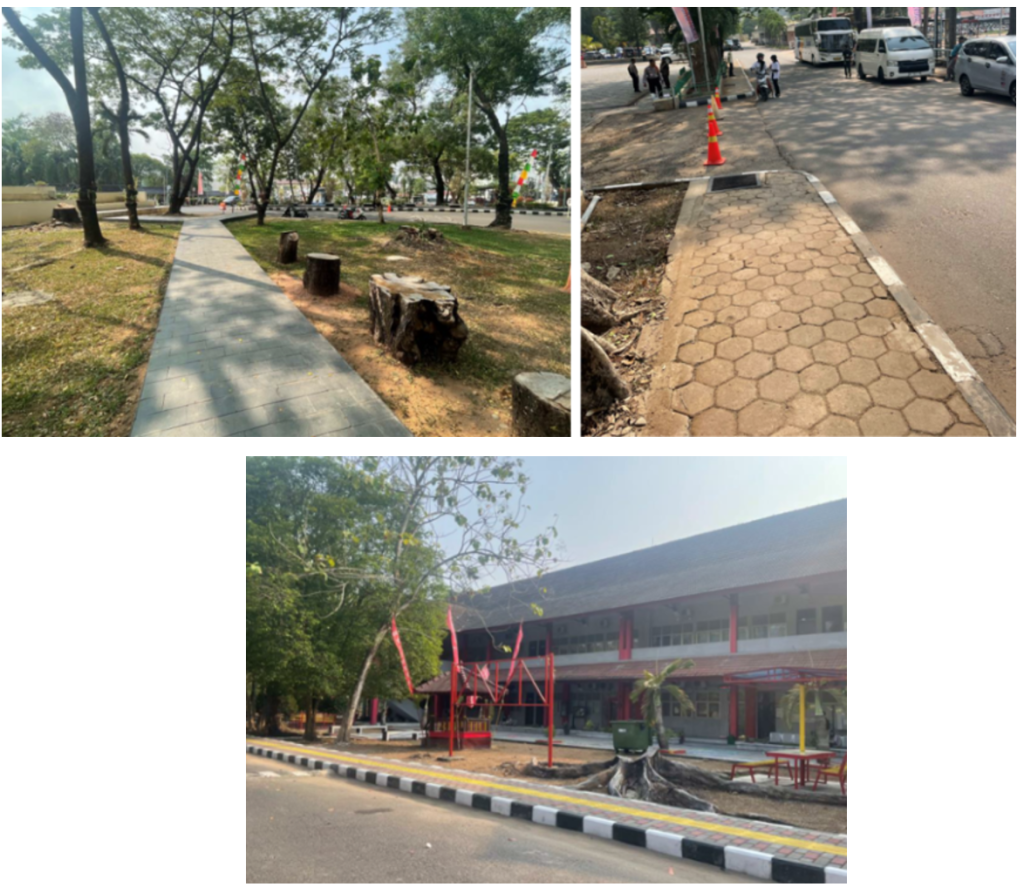
Universitas Sriwijaya (UNSRI) prioritizes pedestrian access by developing dedicated infrastructure for pedestrian safety, comfort, and universal accessibility. Key details include a network of sidewalks, crucial for safety by physically separating pedestrians from vehicular traffic. For inclusivity, UNSRI has installed guiding blocks (tactile paving) to provide directional cues for visually impaired students and staff, enabling independent navigation. Accessibility is further ensured through widespread ramps alongside stairs, removing barriers for wheelchair users and those with mobility challenges, granting equitable access to all campus areas.

These facilities, along with walk parks, are strategically spread to form an interconnected network. This network links key zones like academic faculties, student housing, libraries, and shuttle stops. This thoughtful planning allows all students, staff, and visitors, regardless of physical abilities, to move easily and safely.