(+62) 81927650130
8:00 AM - 4:00 PM
Monday to Friday

Category: SDG11

Provide free public access to open spaces and green spaces

Universitas Sriwijaya (UNSRI) provides free public access to its open and green spaces, aligning with SDG 11. The campus spans 7,241,059 m², with significant areas dedicated to environmental use.

A large portion, 2,228,520 m² (32% of the total area), is preserved as natural forest, while 1,405,310 m² (19%) is used for tree planting, including fruit trees. These green spaces also function as “living laboratories” for student and researcher learning.

Key accessible areas include:

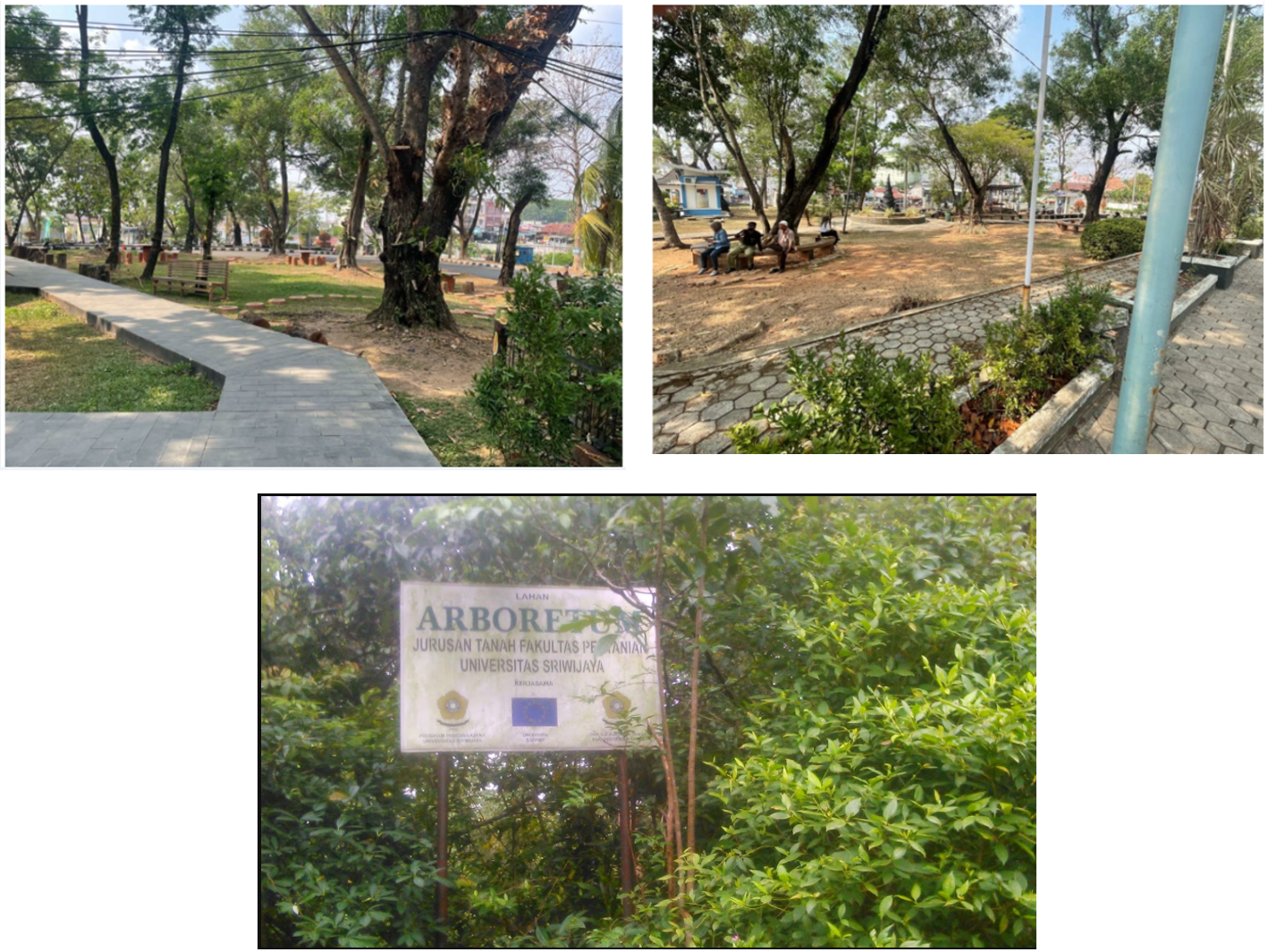
  • Taman Firdaus: A 70-hectare park in Indralaya. This space is open to the public free of charge, although visitors must obtain prior permission from campus officials for management or commercial purposes.
  • Arboretum: A 5-hectare section within the natural forest established in 2007. This area actively conserves native tree species (such as Alstonia scholaris and Parkia speciosa) by systematically removing invasive Acacia mangium.
Arts and heritage contribution

Contribute to local arts, in terms of number of annual public performances of university choirs, theatre groups, orchestras etc. either ad-hoc or as part of an ongoing program

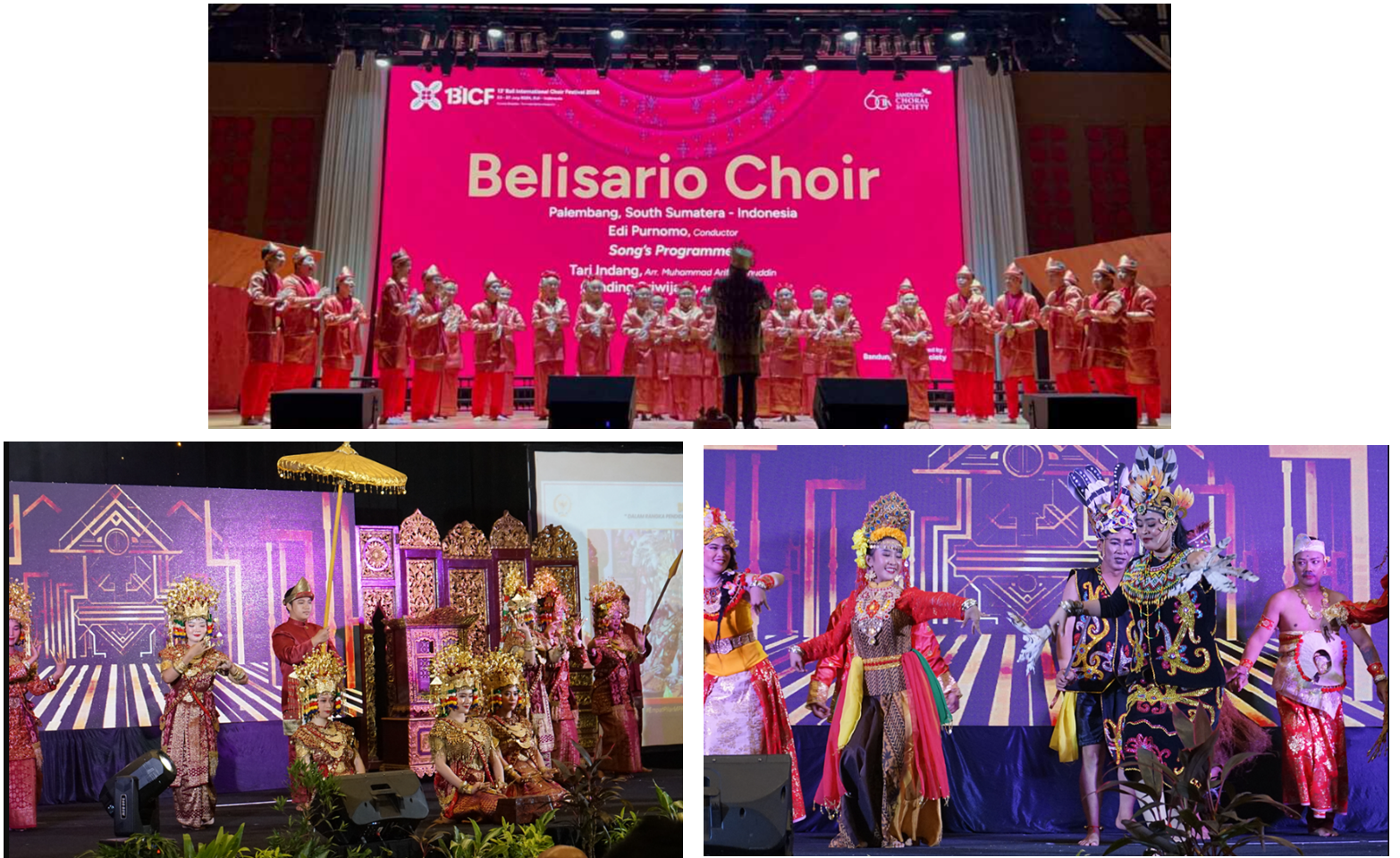
Universitas Sriwijaya actively contributes to arts and heritage through numerous public performances at local, national, and international levels, participating in over 20 ad-hoc events annually involving its choir, theatre, dance, and music groups. A primary event is the “Disforia Cultur Festival,” organized by the UNSRI Student Executive Body (BEM) on December 6, 2024. This festival features public art performances, including dance, drama, and music, from various university and faculty student organizations.

UNSRI also collaborates with external bodies. On May 23, 2024, FISIP UNSRI co-hosted the MPR RI cultural arts performance, using art to educate youth. Internally, the Dharma Wanita Persatuan (DWP) UNSRI held arts activities for Mother’s Day on December 19, 2024. On the international stage, the UNSRI Student Choir (Belisario Choir) made a significant contribution by winning gold and silver medals at the 13th Bali International Choir Festival (BICF) in July 2024.

Work with local authorities to address planning issues and development, including ensuring that local residents are able to access affordable housing

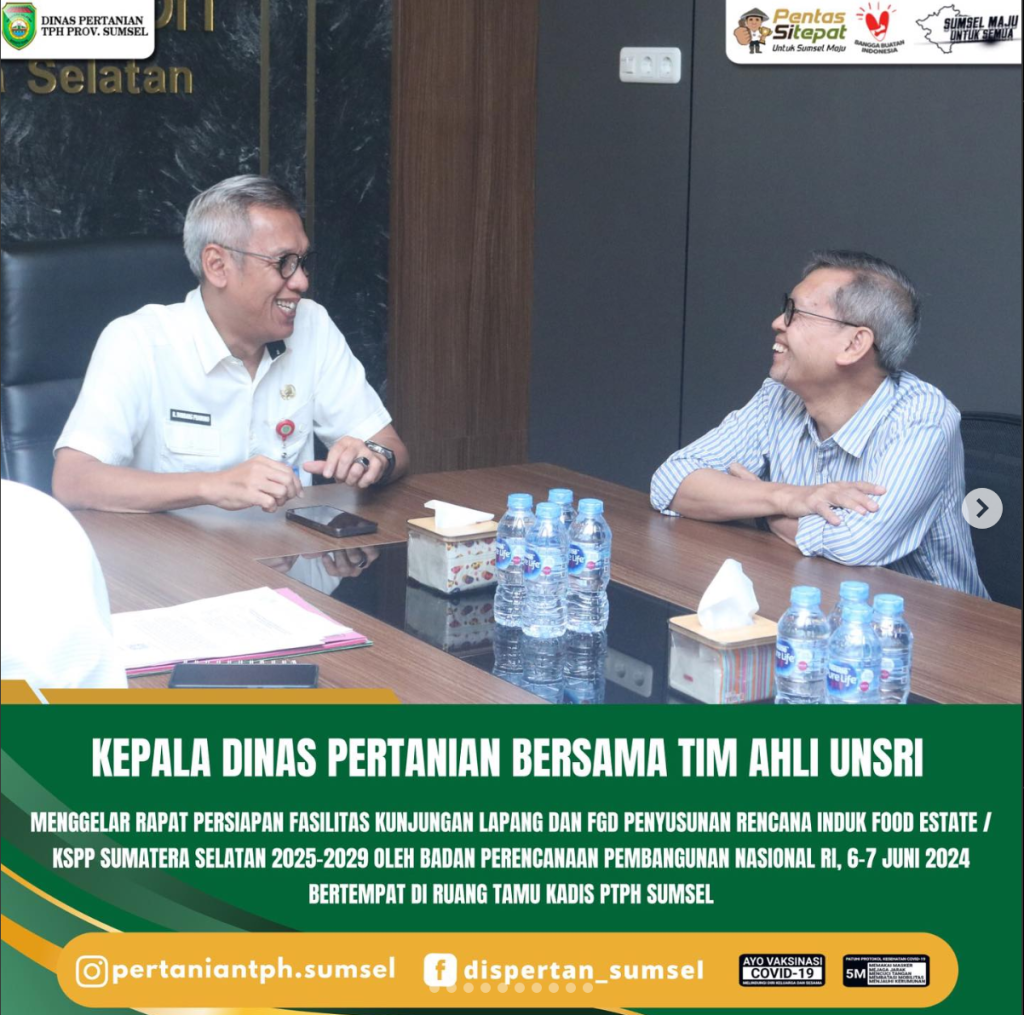
Universitas Sriwijaya (UNSRI) actively collaborates with local and national authorities to address regional planning and development issues. A key example is the involvement of UNSRI’s Expert Team (“Tim Ahli”) with the Head of the South Sumatra Agriculture Office (“Dinas Pertanian”) and the National Development Planning Agency (Bappenas). On June 5, 2024, they held a preparatory meeting to help compose the 2025-2029 Master Plan for the South Sumatra Food Estate (KSPP). This partnership extends to the grassroots level through the university’s Thematic Community Service Program (KKNT), managed by UNSRI’s LPPM. On December 10, 2024, UNSRI deployed its 101st KKNT group, which is explicitly focused on achieving Sustainable Development Goals (SDGs) in partnership with local village authorities. The program’s themes directly address local development planning, including “Smart Farming,” “Digital-Based Waste House,” “Healthy Village,” “Climate-Responsive Village,” and “Literacy Village.”

Sustainable practices targets

Measure and set targets for more sustainable commuting (walking, cycling or other non-motorized transport, vanpools, carpools, shuttlebus or public transportation, motorcycle, scooter or moped, or electric vehicles)

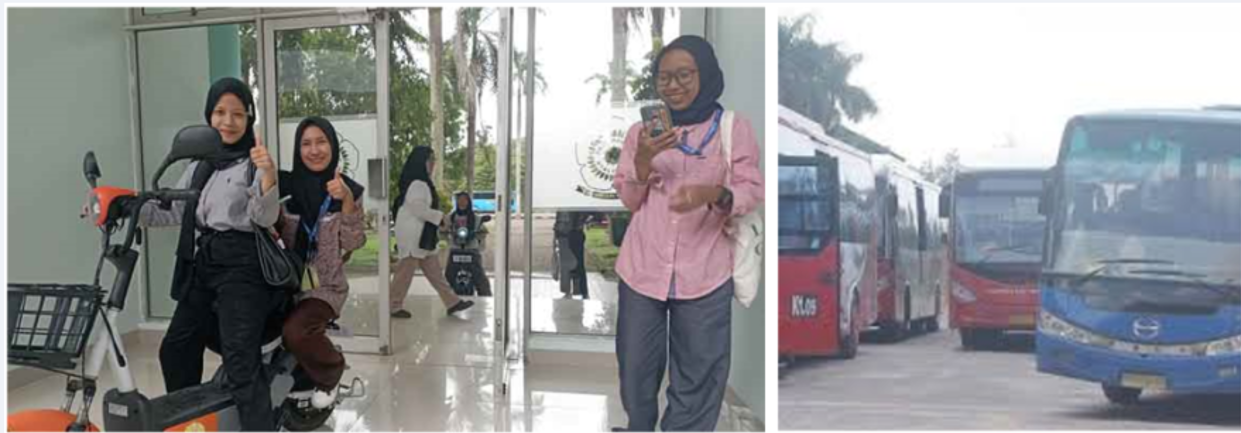
Universitas Sriwijaya (UNSRI) promotes sustainable commuting (SDG 11) through tangible practices. The university provides public transportation, including campus buses and shuttles, to reduce private vehicle use and carbon emissions. To further enhance public transport access, UNSRI has been working with the local government to develop a feeder shuttle bus system to connect student accommodations with the Light Rail Transit (LRT).

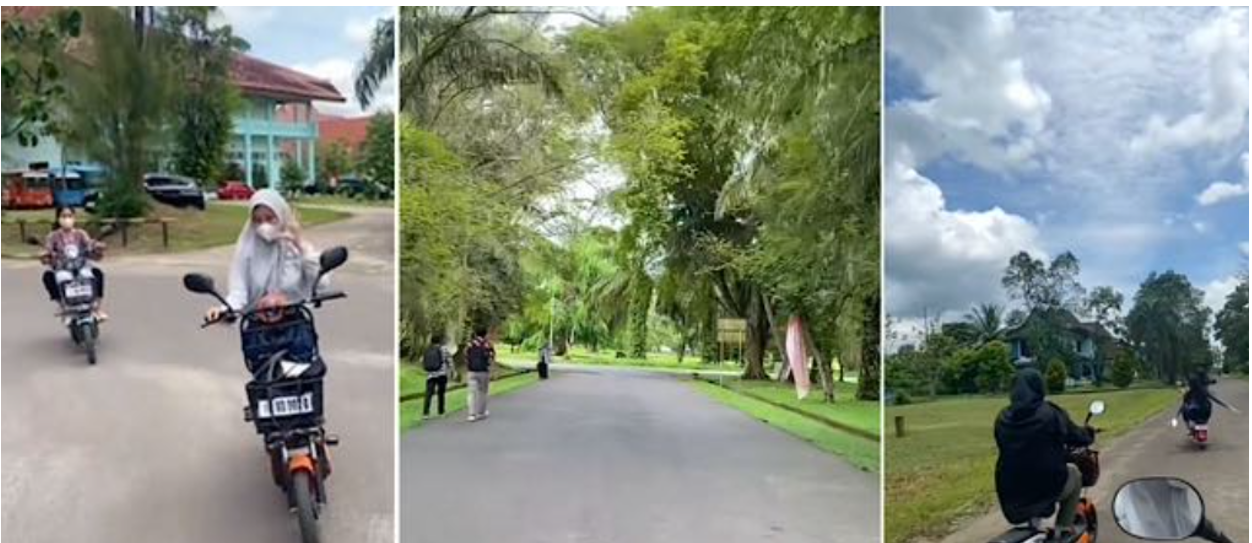
Additionally, UNSRI has adopted electric vehicles, introducing 30 electric bicycles for operational use by faculty, staff, and students. These initiatives demonstrate UNSRI’s commitment to creating a more inclusive, efficient, and environmentally sustainable campus transportation system.

Undertake actions to promote more sustainable commuting

Universitas Sriwijaya (UNSRI) promotes sustainable commuting through several ways:

First, UNSRI provides internal public transport options, such as campus buses and shuttles, to facilitate mobility for students, faculty, and staff. This service aims to reduce dependency on private vehicles and cut carbon emissions. Additionally, UNSRI has adopted electric vehicles, providing 30 electric bicycle units for operational activities on campus and promoting a zero-emission transport alternative.

Second, UNSRI takes action to improve driving safety culture. Academics from the Faculty of Public Health launched a “Driving Safety Culture on Campus” community service program. The material focused on safety education, safe riding techniques, traffic sign knowledge, and the importance of personal protective equipment (PPE) like helmets and gloves. An enthusiastic two-way discussion yielded feedback for improving campus driving conditions, with the ultimate goal of reducing accidents.

Record and preserve cultural heritage

Deliver projects to record and preserve intangible cultural heritage such as local folklore, traditions, language, and knowledge. This can include the heritage of displaced communities.

Universitas Sriwijaya (UNSRI) implements projects to record and preserve local intangible cultural heritage, focusing on inclusiveness by highlighting the history of diverse communities.

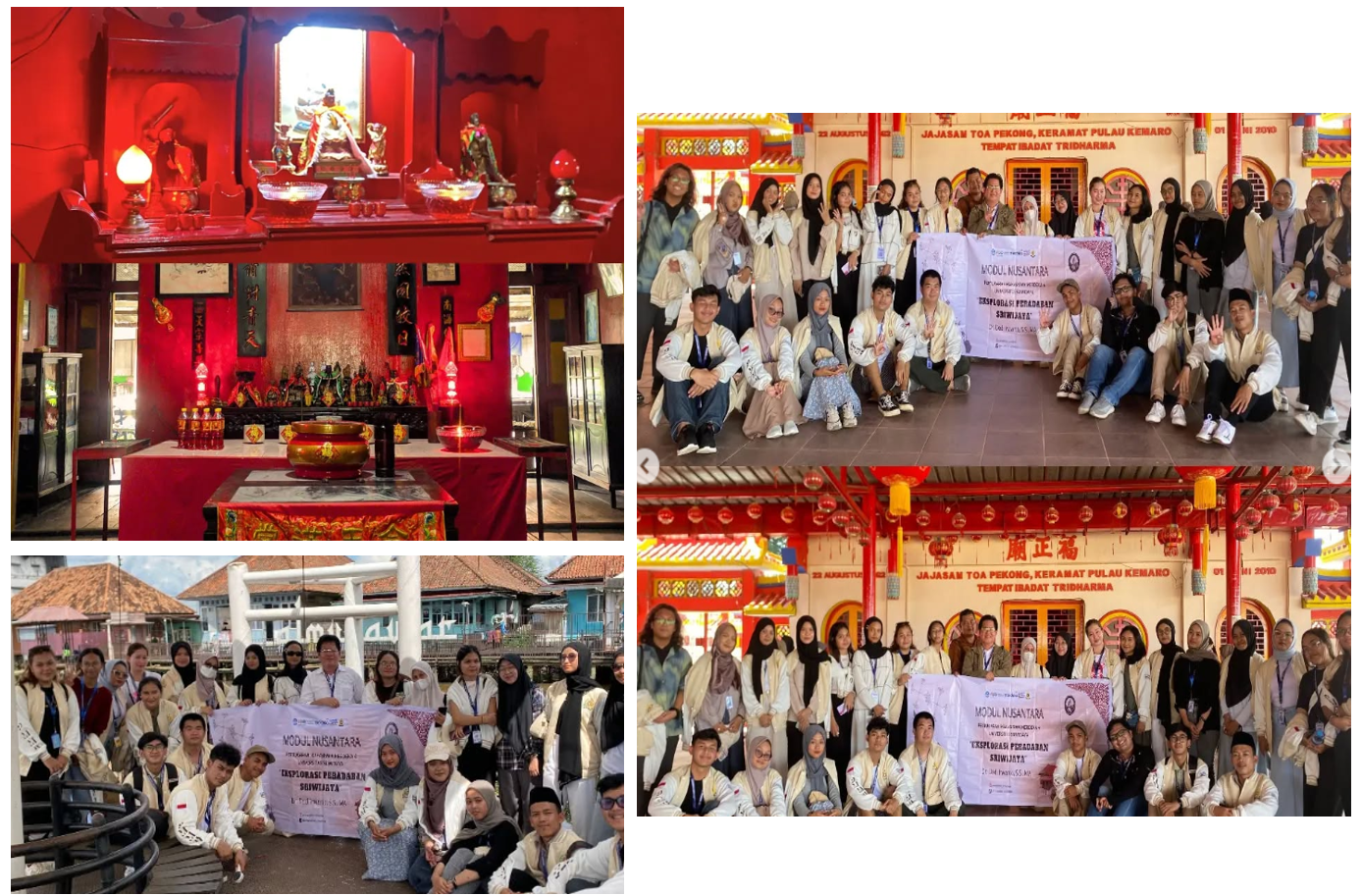
Through the “Eksplorasi Peradaban Sriwijaya” (Sriwijaya Civilization Exploration) program, students from the PMM 4 Inbound program engage in activities to document and understand this heritage. On March 9, 2024, students visited Bukit Siguntang to learn the history of the area, including the discovery of the Sriwijaya Buddha statue and the heritage of the founders of the Palembang Sultanate.

The program also actively records the heritage of minority communities. This includes discussions and visits to sites like Pulau Kemaro (preserving Chinese cultural heritage) and designated “tolerance villages” such as Kampung Tuan Kentang and the Al-Munawar Arab Village. These activities recognize and study the traditions and knowledge of ethnicities that have been part of the region since the Sriwijaya era.

Provide public access to museums, exhibition spaces or galleries, or works of art and artefacts

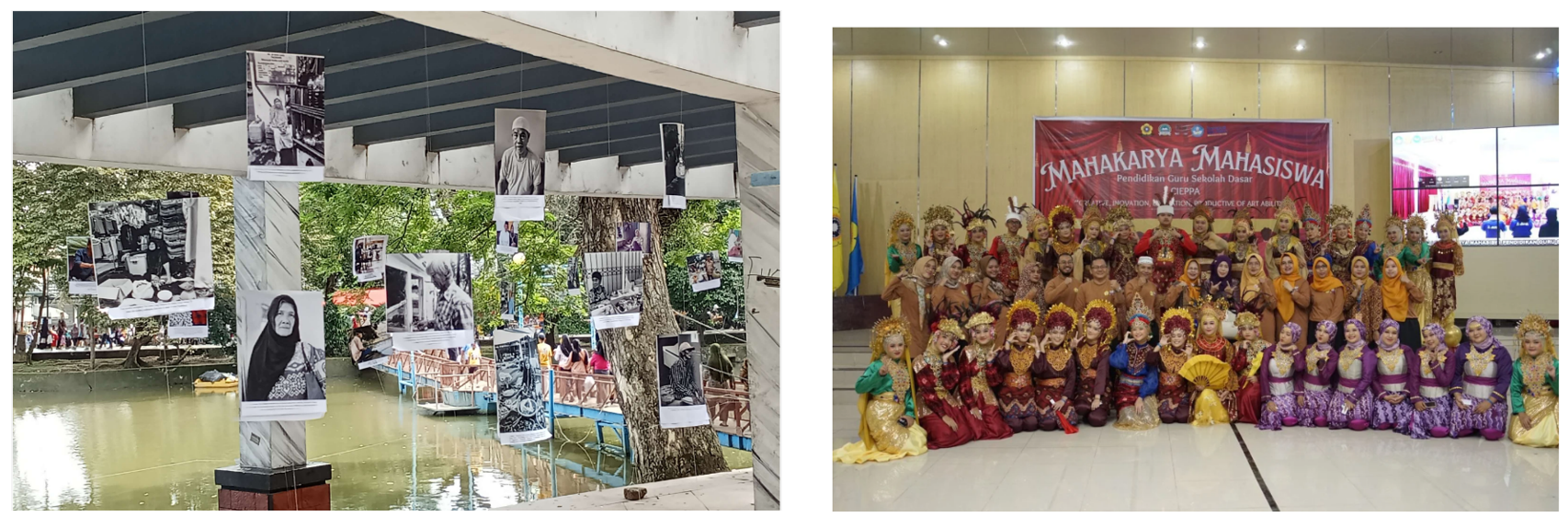
Universitas Sriwijaya facilitates public access to arts and cultural works through various student-led exhibitions and performances. A key example is the “Oldies but Goldies” photography exhibition, organized by Communication Science students (FISIP UNSRI) on June 2, 2024, to commemorate National Elderly Day. This event was held at the public Kambang Iwak Park in Palembang, ensuring open access. It featured photographs created by students that depicted the spirit and contributions of the elderly.

Additionally, the “Mahakarya” event, run by the Primary School Teacher Education program (PGSD FKIP), functions as an appreciation of student work. It features a public exhibition and art performances derived from courses like Fine Arts Education, Vocal and Music Arts Education, and Dance Arts Education. This event, themed “CIEPPA” (Creative, Innovation, Education, Productive of Art Ability), transforms academic outputs into accessible art and artifacts for the public.

Provide public access to libraries including books and publications

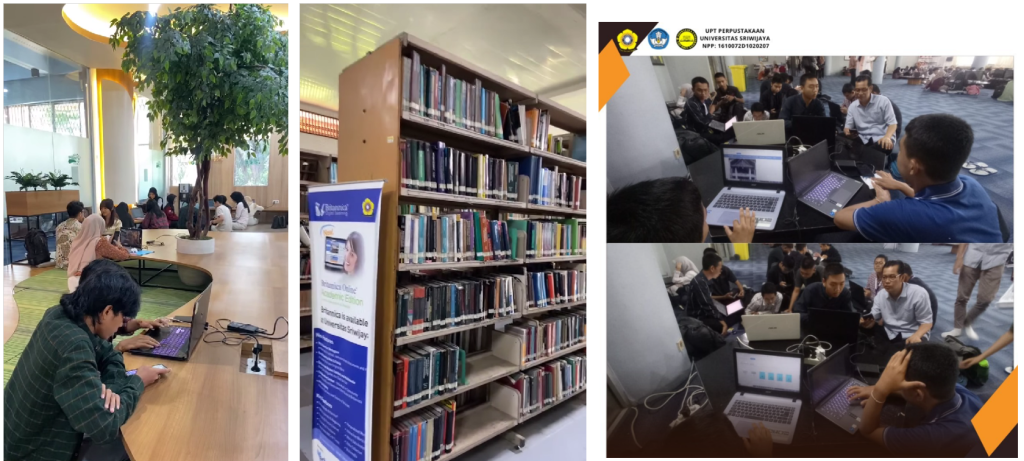
Universitas Sriwijaya (UNSRI) provides public access to its Central Library & digital collections.

  • Physical Public Access: The Central Library is open to the public daily from 08:00 to 18:00 WIB.
  • Access Policy: Public (non-UNSRI) members can apply for a “Day Pass Visitor Pass” to access the library.
  • Services for Public: This pass grants public visitors services, including read-on-site access to all printed collections, use of dedicated computer terminals, Turnitin check services, and access to facilities like the theater room and library cafe.
  • Digital Public Access: The UNSRI Digital Library (Digilib) is fully accessible online globally. This includes the Online Public Access Catalog (OPAC) and the Online Repository (open access theses/dissertations).

Usage Data: In 2024, the library recorded around 42,000 visits from all visitors.

Prioritize pedestrian access on campus

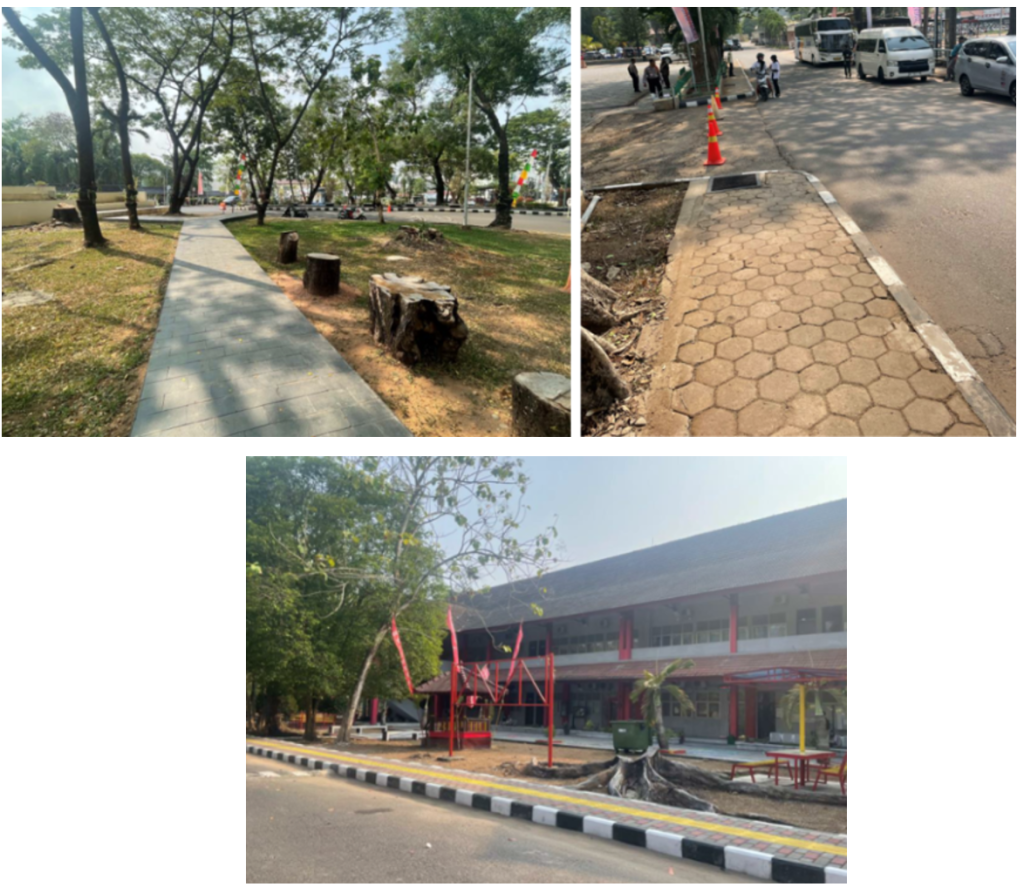
Universitas Sriwijaya (UNSRI) prioritizes pedestrian access by developing dedicated infrastructure for pedestrian safety, comfort, and universal accessibility. Key details include a network of sidewalks, crucial for safety by physically separating pedestrians from vehicular traffic. For inclusivity, UNSRI has installed guiding blocks (tactile paving) to provide directional cues for visually impaired students and staff, enabling independent navigation. Accessibility is further ensured through widespread ramps alongside stairs, removing barriers for wheelchair users and those with mobility challenges, granting equitable access to all campus areas.

These facilities, along with walk parks, are strategically spread to form an interconnected network. This network links key zones like academic faculties, student housing, libraries, and shuttle stops. This thoughtful planning allows all students, staff, and visitors, regardless of physical abilities, to move easily and safely.