(+62) 81927650130
8:00 AM - 4:00 PM
Monday to Friday

Category: SDG14

Hazardous Waste Treatment and Providing Trash Bins in the Campus to Prevent Marine Pollution

Marine pollution is an event that occurs due to the entry of chemicals, particles, and waste from human activities in various sectors, including in campus areas. Universitas Sriwijaya (UNSRI) is one of the higher education institutions located in South Sumatra Province. South Sumatra Province is home to the Musi River, which flows into the sea. In order to prevent marine pollution, UNSRI has implemented several policies related to this, such as providing trash bins on campus and processing hazardous waste before it is disposed of into the environment. Regarding hazardous waste, UNSRI has also partnered with third parties in managing this waste.
Liquid Waste Management as an Effort to Protect Aquatic Ecosystems

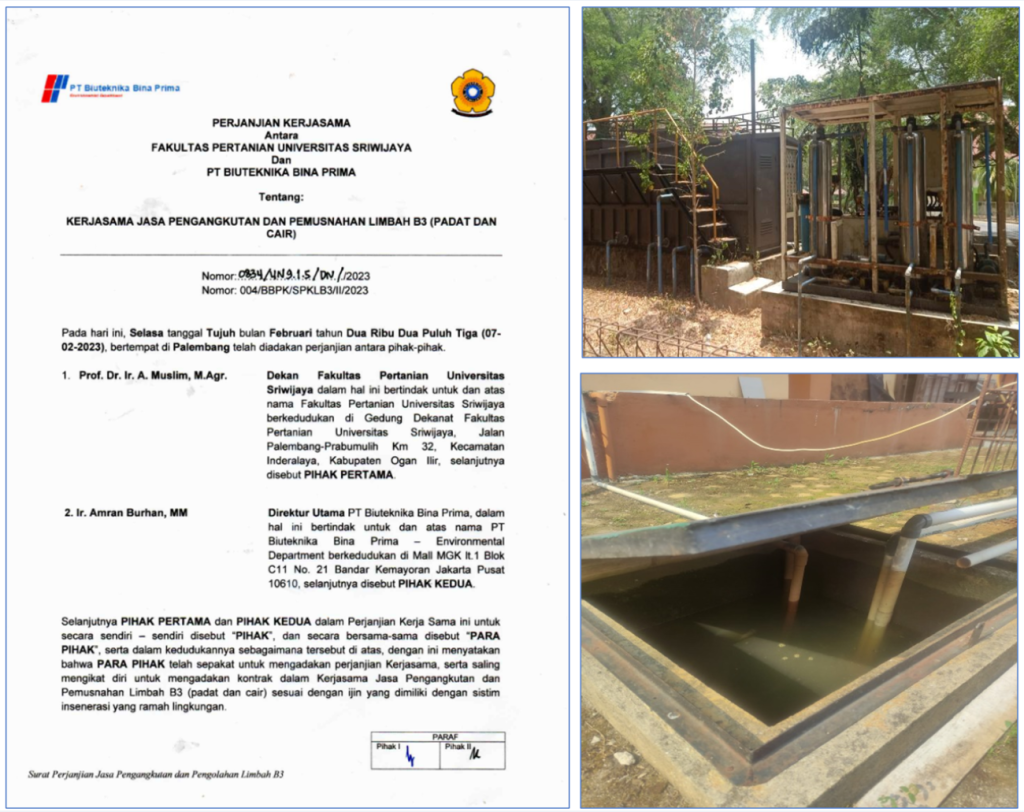
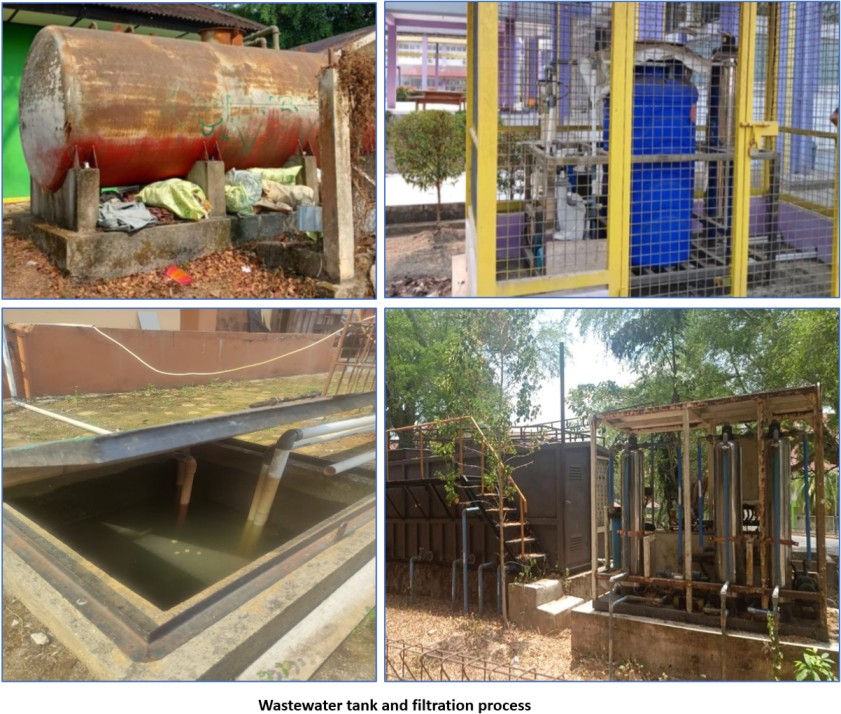
Liquid waste refers to waste produced from various activities that involve the use of liquids. Such waste can alter aquatic ecosystems due to the presence of environmentally harmful chemical substances. This problem can be mitigated by treating liquid waste before it is released into the environment. To minimize the negative impact of liquid waste on aquatic ecosystems, Sriwijaya University (UNSRI) has implemented a liquid waste treatment process prior to discharge. Part of the treated wastewater is also reused for plant irrigation. Additionally, UNSRI collaborates with PT Biuteknika Bina Prima for the transportation and disposal of hazardous and toxic liquid waste. Through these initiatives, UNSRI aims to reduce ecological disturbances caused by chemical and biological contaminants.