
(+62) 81927650130
8:00 AM - 4:00 PM
Monday to Friday

Category: SDG2

A Holistic Programme on Student Food Security

Proper nutrition is critical to the physical and mental well-being of students. Malnutrition or hunger can affect cognitive function, concentration, and overall health, ultimately impacting academic performance. By ensuring that students have access to nutritious meals, universities can support the physical and mental health of their students.

Sriwijaya University itself has implemented a holistic student food security program consisting of the following programs:

  1. Campus Food Pantries

Some faculties at Sriwijaya University have established campus food pantries to provide students with immediate access to free and affordable food. These pantries provide non-perishable items, fresh produce and basic groceries, allowing students to focus on their studies instead of worrying about their next meal.

  1. Meal Swipe Donation Programs

The Student Community has a Meal Swipe Donation Initiatives program where students with extra meal credits can donate them to students in need. This program allows students to eat in the dining hall without additional financial burden and fosters a supportive campus community.

  1. Rice for Students

The Faculty of Agriculture opened a rice kiosk for the campus community, which is open to all, including students, at lower selling prices with good quality rice, the result of the last growing season’s rice harvest. The main manager of this rice kiosk is a student with the help of experienced faculty. This activity was carried out to ensure the availability of basic food for students and to eliminate the possibility of hunger among Sriwijaya University students.

  1. Partnerships with local food banks (Desa Binaan UNSRI)

Sriwijaya University is increasingly partnering with local food banks and non-profit organizations to ensure a consistent supply of food for students in need. These partnerships strengthen support networks and increase resources, creating a more resilient framework for student food security. Sriwijaya University has a long history of partnering with villages, where through this program, the academic community shares knowledge in various areas, including food availability and security, with local farmers. And the local farmer becomes a supplier of staple foods for UNSRI’s needs.
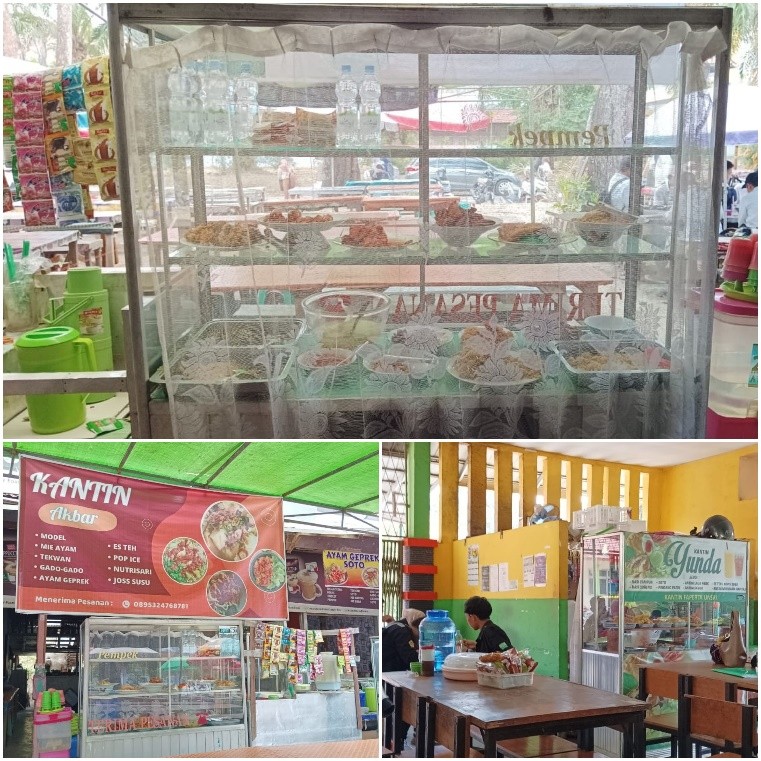
Healthy canteen

Sriwijaya University has initiated the Healthy Canteen, Healthy Campus program as an effort to provide healthy food choices in the canteen, which will ultimately promote the realization of a healthy campus. Through this program, campus dining halls offer meals and snacks that are lower in added sugars, unhealthy fats, and sodium, while rich in fruits, vegetables, whole grains, and lean proteins. In addition to providing healthier options, the program focuses on creating a culture of health across campus, benefiting students, staff, and faculty alike.

Some of the key components and benefits of the Healthy Canteen, Healthy Campus Program, an initiative of Sriwijaya University:

  1. Balanced, nutritional meals

The program focuses on providing well-rounded meals that contain a variety of nutrients. By incorporating whole foods such as fruits, vegetables, whole grains and lean proteins, the program helps students make healthier choices to support their physical health, mental clarity and overall well-being.

  1. Healthy eating education

Healthy campus programs also provide students with resources and information about nutrition, portion sizes, and the impact of healthy eating on academic performance and long-term health. Workshops, nutritional labels, and informative signage make it easy for students to make informed choices.

  1. Affordable, accessible options

Recognizing that many students are on tight budgets, the program ensures that healthy options are not only available, but also affordable and accessible to all. This approach helps remove financial barriers to healthy eating and increases food security on campus.

  1. Reduce the amount of processed foods and sugar-sweetened beverages

The program prioritizes the reduction of highly processed foods and sugary drinks that contribute to chronic health problems, replacing them with healthier alternatives such as fresh juices, infused water, and healthy snacks. By creating an environment where nutritious options are the default, the program subtly changes students’ eating habits over time.

  1. Sustainability and Local Ingredients

Whenever possible, cafeterias incorporate locally sourced and sustainably produced ingredients. This not only supports the local economy, but also reduces the carbon footprint associated with transporting food, which aligns with campus sustainability goals.

  1. Creation of Healthy Space

Beyond food choices, the Healthy Canteen, Healthy Campus program fosters an environment where health is a campus-wide priority. Dining halls are being redesigned to be welcoming and calming spaces where students can take mindful breaks, socialize, and focus on self-care while enjoying nutritious meals.

  1. Promoting mental and physical health

Health and nutrition are closely linked to academic performance, mental clarity, and energy levels. By ensuring that healthy meals are readily available, the program plays an important role in helping students maintain physical health, manage stress, and focus on their studies.

  1. Dining options are inclusive

Healthy campus programs often include a variety of food options to accommodate students with different dietary preferences and needs, including vegetarian, vegan, gluten-free and allergy-sensitive options. This inclusivity fosters a sense of belonging and ensures that every student has access to meals that support their well-being.

Tracking Food Waste at the Universitas Sriwijaya

 Indonesia is among the world’s largest contributors to food waste, discarding around 300 kg of food per person annually. Food waste and food loss together are estimated to cost Indonesia billions of dollars each year. The waste includes fresh produce, grains, and prepared foods, exacerbating environmental issues such as greenhouse gas emissions from decomposing organic waste in landfills.

The food waste problem in Indonesia is complex. It occurs at both ends of the supply chain, during production (losses from harvesting and storage) and at the consumer level (leftovers and discarded foods).

Measuring food waste at Sriwijaya University requires a combination of quantitative and qualitative methods. The university can make meaningful progress in reducing food waste and promoting sustainability by collecting data on the amount of food wasted, analyzing patterns, and implementing targeted interventions. The overall goal is not only to reduce waste, but also to raise awareness of the impact of food waste and promote a culture of sustainability on campus.

The amount of food waste depends on the population of the community. Each individual needs to eat. However, to calculate the amount of waste in diverse communities is a difficult challenge. The work culture in universities is different from the work system in government and production activities in industrial environments. The academic community sometimes must work on Saturdays and Sundays, during normal business hours, working on and/or off campus. Food waste is a particularly troubling issue when viewed against the backdrop of food insecurity. In South Sumatra, as in other parts of Indonesia, there are areas where food access is limited, yet significant quantities of food are lost or wasted along the supply chain.

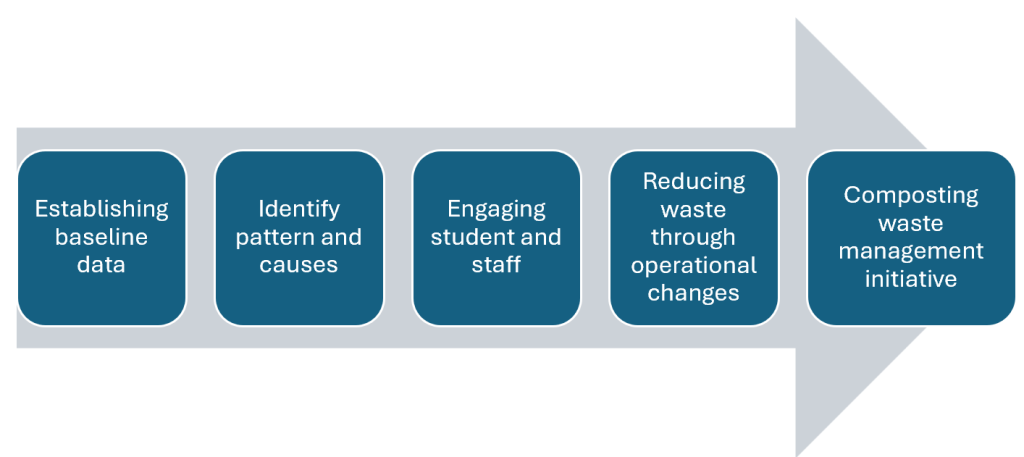
Sriwijaya University takes part in controlling food waste and has long been running a food waste tracking system in the campus environment. The food waste tracking system at Sriwijaya University uses the following approach:

  1. Establish Baseline Data

The first step is to measure current levels of food waste across dining halls, cafeterias, and events on campus. This includes tracking both pre-consumer waste (from preparation) and post-consumer waste (leftovers on students’ plates).

  1. Analyzing Data to Identify Patterns and Causes

Tracking data is collected, analyse it to pinpoint common sources and types of waste. For example, if the data shows high levels of leftover vegetables, the university can adjust portion sizes or alter menus to offer popular, seasonal dishes that are less likely to be left uneaten. Identify specific times when food waste spikes, such as end-of-semester events or weekends, and tailor strategies to mitigate these peak waste periods.

  1. Engaging Students and Staff

Educational Campaigns: Universities have run campaigns to educate students on the impacts of food waste and ways to reduce it. Integrating food waste education into orientation or sustainability classes can help embed these values into campus culture. Incentive Programs: Offering incentives, such as discounts for students who take smaller portions or use reusable containers, can motivate students to be more mindful of waste. Student-Led Initiatives: Forming student groups focused on sustainability and food waste reduction can increase involvement and bring innovative ideas. Students can also participate in food audits, helping with tracking efforts and raising awareness among peers.

  1. Reducing Waste through Operational Changes

Portion Control: Based on data from the tracking system, Dining service during some events (Conferences, Meetings, exams, etc.) has adjusted portion sizes or offered flexible portion options. Smaller portions with the option for second servings can help cut down on plate waste. Menu Adjustments: If certain items consistently result in waste, the university has adjusted menus to remove or replace them. Focusing on seasonal, in-demand items that are more likely to be consumed can also reduce waste. Pre-Order Systems: Implementing a pre-order system, where students order their meals in advance, can help dining services prepare only the necessary quantities, thereby reducing waste from overproduction.

  1. Composting and Waste Management Initiatives

Composting Programs: For food waste that is unavoidable, such as scraps and peelings, universities can establish composting programs. This reduces waste sent to landfills and produces compost that can be used for campus landscaping or community gardens. Waste Separation Bins: Setting up designated bins for organic waste can make composting easier and improve waste management efficiency. These bins can be placed in cafeterias and dining halls with clear signage to encourage proper disposal.

Sriwijaya University provides healthy campus platform website and YouTube to educate students and staff about food waste and its environmental and economic impact.